Hagia Sophia Tickets Explained
Hagia Sophia tickets cost €25 - covering the upper gallery only. Learn how to skip long queues, what’s included, and the key restriction most visitors miss.
Last updated: May 20, 2026
Buy the visiting-area ticket if the mosque gallery is your goal. A history-museum ticket is a different purchase, and a tour title alone does not tell you whether admission is included. Find The Right Ticket Format ↓
Booking Summary: In brief: select the exact ticket option, check child and access requirements, and leave time for security. Blue Mosque admission is free; guidance is optional.
Hagia Sophia Ticket Facts At A Glance
| Standard Ticket Price | €25 per adult – Prices verified April 2026. It can be purchased here. |
| Children Under 8 | Free (passport or ID required at entry) |
| Official Ticket Seller | DEM Museums (on-site booth + online) |
| Museum Pass Istanbul | NOT valid. Separate ticket required regardless of pass held. |
| What Ticket Covers | Upper gallery visiting area only. Ground floor is for worship, not included. |
| AR Audio Guide | Included with €25 ticket via QR code, 23 languages |
| Ticket Booth Location | Across from Sultan Ahmed III Fountain, northeast side (near Topkapi Imperial Gate) |
| Peak Queue (On-Site) | 60-90 min June-August; 20-30 min Nov-March |
| Friday Prayer Closure | 12:00-14:30 – no tourist entry regardless of ticket type |
Use current checkout totals for your party, including any ticket extras. Compare Actual Ticket Totals →
How Much Does A Hagia Sophia Ticket Cost In 2026?
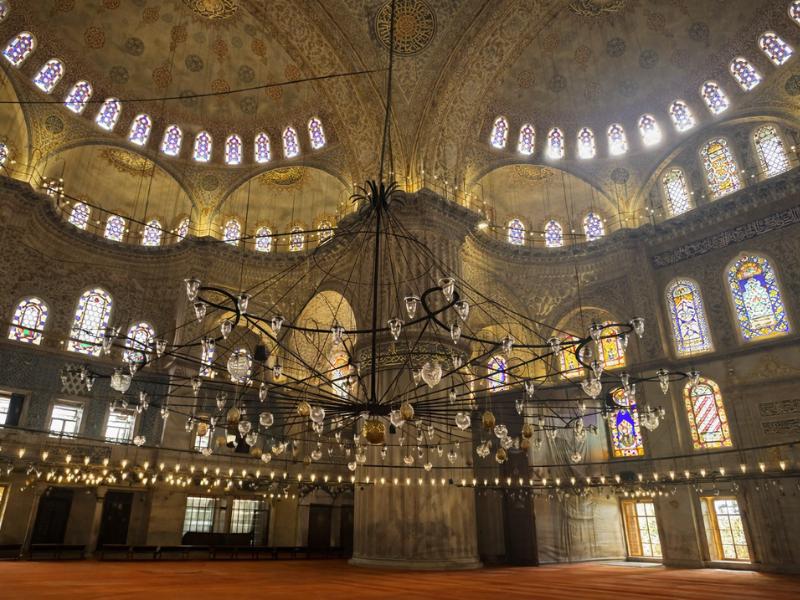
The standard entry ticket is €25 per adult for all foreign tourists, introduced on 15 January 2024. Children under 8 enter free with ID or passport. There are no student discounts, no EU concessions, no museum pass workarounds. Turkish citizens entering to pray use a separate free entrance. Every other visitor, including foreign Muslims visiting for religious reasons, pays €25. Prices verified April 2026. It can be purchased here.
Before January 2024, Hagia Sophia was free for everyone. The Ministry of Culture and Tourism changed this as part of a broader restructuring of how tourists access the building, separating the worship function from the cultural visit. The fee is set in euros. You can pay at the on-site booth in euros, by credit card, or in Turkish lira, though paying in lira at the booth applies the day’s exchange rate under management policy, which visitors have consistently reported as unfavorable. Credit card or euros in hand is cleaner.
The price hasn’t changed since its introduction. Whether it will increase is impossible to say, but for a building that receives 17,000 to 20,000 visitors per day in peak season, the economics are straightforward. Check the official DEM Museums page before your visit if you want to confirm the current rate.
One thing worth understanding before you get near the ticket booth: the €25 you pay is specifically for the upper gallery visiting area. The ground floor, where the great nave, the Ottoman calligraphy medallions, and the active prayer space sit, is not part of the tourist route. More than half of first-time visitors in 2024 and 2025 reported being surprised by this. Knowing it in advance changes how you approach the visit.
Not sure what ticket type fits your trip? Compare skip-the-line tickets and guided entry on the best Hagia Sophia tours page.
The provider’s current ticket-and-audio option is for gallery entry. Its child policy says ages 0 to 6 are free, so confirm ages rather than relying on older cutoffs. View Current Gallery Ticket Terms →
Where Can You Buy Hagia Sophia Tickets?
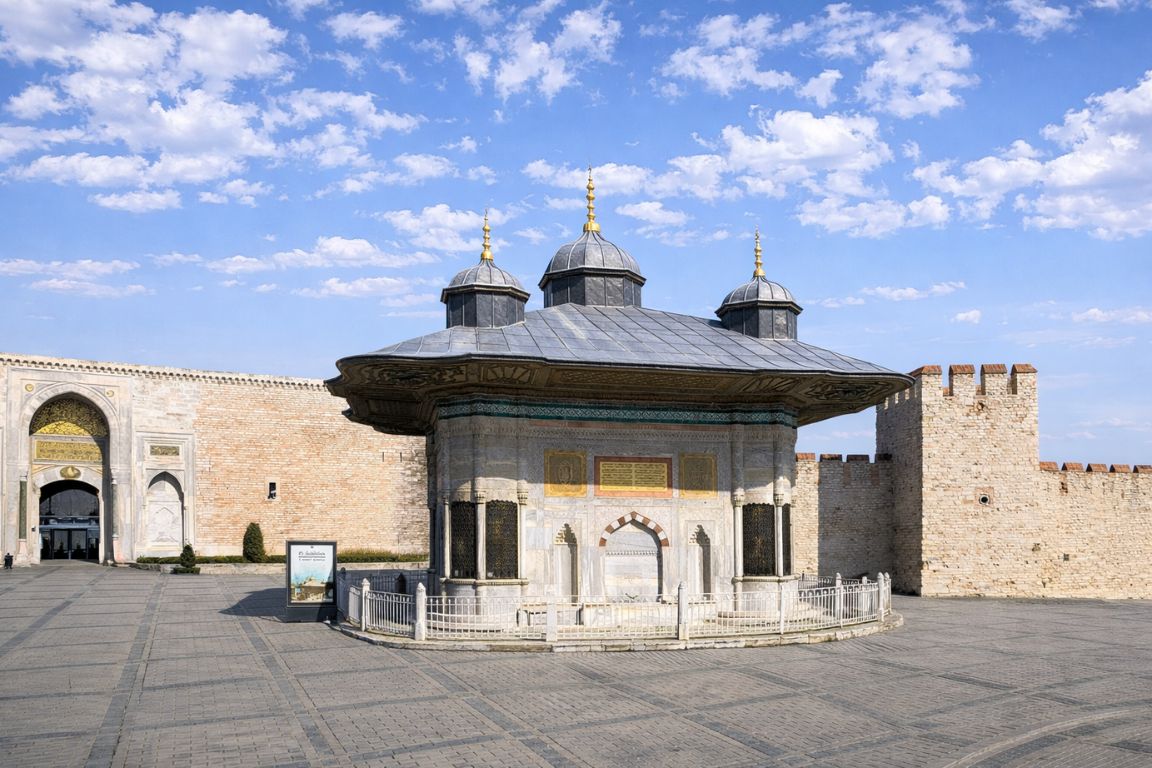 Tickets can be purchased on-site at the ticket booth across from the Sultan Ahmed III Fountain on the northeast side of the building, or online in advance through the official seller DEM Museums and authorized third-party platforms including GetYourGuide and Viator. Compare current ticket formats here. There is no other official online portal. Do not purchase from street vendors, kiosk sellers, or unofficial websites.
The ticket booth is located beside the tourist entrance gate, not at the main Sultanahmet Square entrance. That entrance is the free worshippers’ entrance. First-time visitors sometimes walk to the wrong side of the building and join the wrong queue entirely. The tourist booth and gate are on the northeast face of the mosque, adjacent to the Imperial Gate of Topkapi Palace. Once you reach the Sultan Ahmed III Fountain, you’re in the right place.
On-site purchases are straightforward but come with the queue. Online purchases through platforms like GetYourGuide work slightly differently: in most cases you receive a voucher that you exchange at the booth or scan at a designated counter to receive your physical ticket, which is then valid for entry that same day. The key distinction is that buying online skips the ticket purchase queue, but you still pass through the mandatory security screening, which runs separately and takes an additional 10 to 30 minutes.
The official museum website at muze.gen.tr lists DEM Museums as the authorized online seller. Third-party platforms are legitimate when they route through that system. The warning signs of a bad seller: prices that differ significantly from €25, claims of “ground floor access,” or guarantees that bypass security entirely. None of those are possible regardless of who you buy from.
| On-site ticket booth | €25 | None | 60-90 min queue in summer; pay in EUR or card for best rate |
| Online (Viator) | From ~€30-€45 | Ticket queue (20-30 min saved) | Security queue still mandatory; same-day validity typical; free cancellation up to 24h on most platforms |
| Skip-the-line + AR audio guide (online) – It can be purchased here. | From ~€33-€45 | Ticket queue | Audio guide included (also included free with base €25 ticket via QR); AR overlay shows how the building looked historically |
| Guided tour (online) | From ~€35-€70+ | Ticket queue; managed group entry | Guides cannot lead commentary inside since 2024 but prep and accompany groups; best for first-time visitors wanting historical context |
| Combo tickets (Hagia Sophia + Basilica Cistern) | From ~€50-€60 | Both ticket queues | Good value for full Sultanahmet day; Cistern has its own queue that can match Hagia Sophia’s in peak season |
| Street vendors / unofficial sites | Variable | None guaranteed | Avoid. Official sources cannot be held responsible for counterfeit or fraudulent tickets. |
This is a third-party GetYourGuide listing, not the official ticket office. Follow its email delivery and redemption instructions. Choose The Third-Party Entry Option →
Should You Buy Tickets Online Or At The Door?
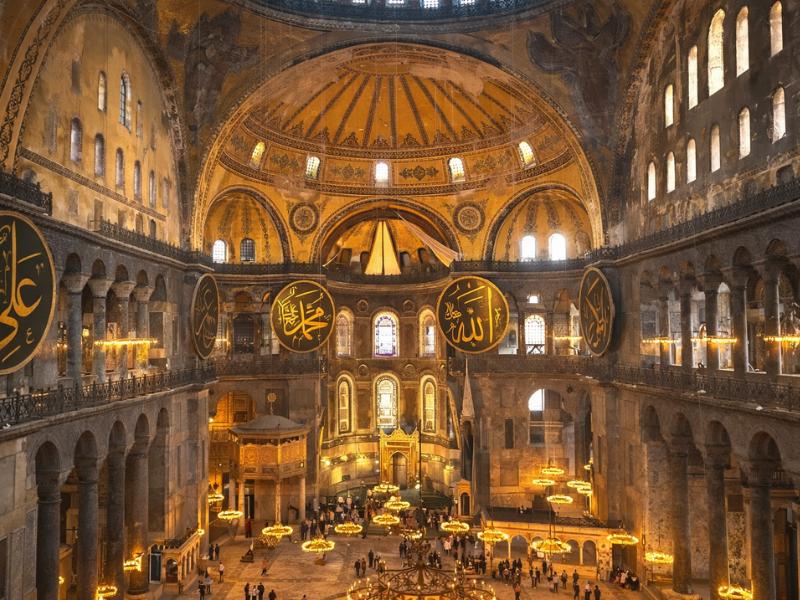
Buy online. In peak season from June through August, the on-site ticket queue alone runs 60 to 90 minutes, and you still face a mandatory security screening of 10 to 30 minutes after that. Online skip-the-line tickets cut the ticket queue entirely. It can be purchased here. The cost difference is modest, typically €5 to €20 over the base price. For a once-in-a-lifetime visit to one of the world’s most significant buildings, losing two hours to a queue is the worse tradeoff.
The math shifts in the off-season. From November through February, the queue at the on-site booth is often 20 minutes or less, and showing up without a reservation is perfectly manageable. Weekday mornings in shoulder season, April, May, September, and October, are similar. If you’re visiting in low-traffic conditions, the on-site ticket saves the booking fee premium.
One thing people don’t always realize: even with an online skip-the-line ticket, you won’t walk straight in. The security screening is non-negotiable for every visitor. No ticket type bypasses it. Peak summer security lines run 10 to 30 minutes on their own. Factor that into your schedule regardless of how you book.
A traveler who visited in August 2024 described the scene at 11:00 AM: the ticket queue stretched the full length of one side of the building, roughly 45 minutes of standing in direct sun before even reaching the booth. One hour earlier, the same queue had been minimal. The building’s visitor load surges suddenly when cruise ships dock, and their passengers typically arrive mid-morning. If you’ve bought online, that surge doesn’t affect you.
Free cancellation up to 24 hours before your visit is standard on most major booking platforms. There’s no meaningful downside to booking a few days in advance and cancelling if plans change.
If you want skip-the-line access and a licensed guide who can brief you on what is currently happening inside the building, use the Hagia Sophia guided tour with fast entry.
Planning a trip to one of the world’s most iconic landmarks? Here’s our full guide on how to visit Hagia Sophia tours – covering entry rules, prayer times that affect tourist access, and what to wear inside.
Prebooking avoids buying at the booth; it does not bypass security or guarantee an empty gallery. Arrange Entry Before Arrival →
What Does The €25 Ticket Actually Include?
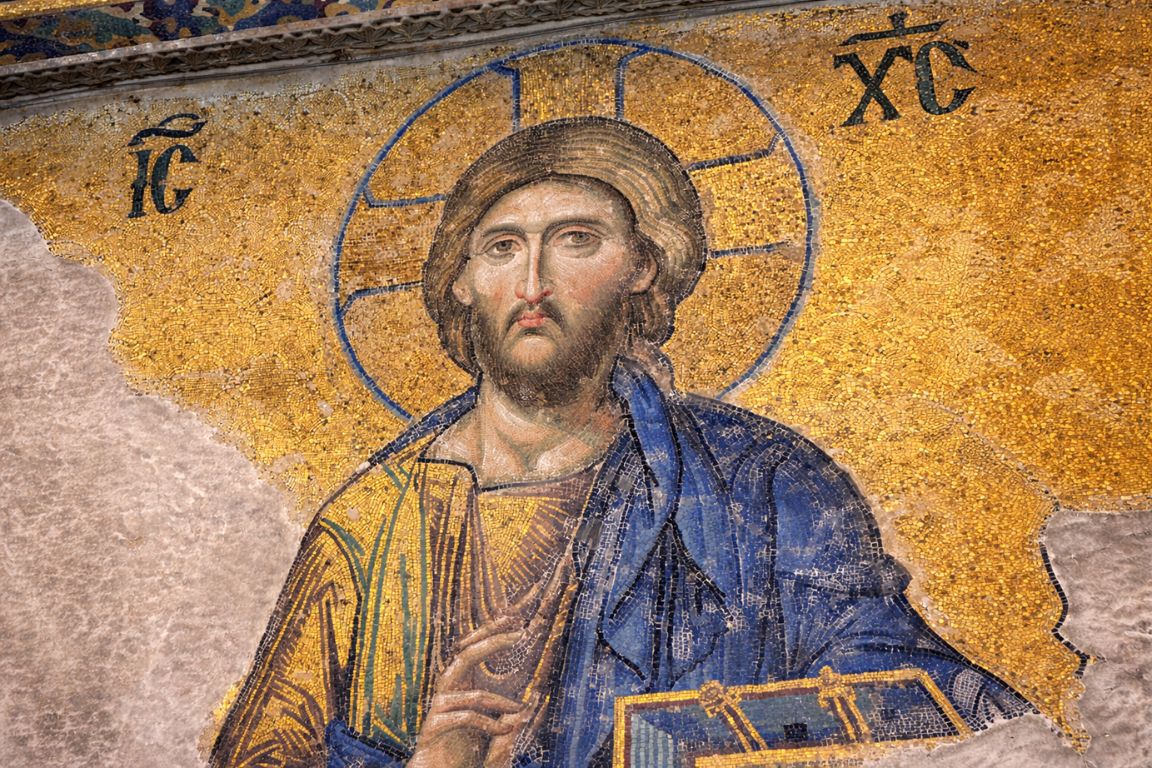 The €25 ticket covers access to the upper gallery visiting area, which is a U-shaped route along the elevated gallery floor overlooking the nave. It includes the AR audio guide system in 23 languages via QR code on your phone. It does not include access to the ground floor prayer area, the courtyard minarets, or the Hagia Sophia History and Experience Museum, which is a separate building and a separate ticket. Compare current ticket formats here.
The visiting route begins at the tourist entrance on the northeast side, goes up a long accessible ramp, and opens into the upper gallery. From there you can look down at the nave and the active prayer floor, see the dome from the gallery level, pass through the Marble Door, and view the Byzantine mosaics including the Deesis, the Empress Zoe mosaic, and the Komnenos family portrait. The Viking runic graffiti and the Weeping Column are also on this route. Exit is through a ramp on the northeast side.
The AR audio guide is genuinely worth using. It operates through your phone via a QR code at the entrance and works in 23 languages. The system can overlay images of how the building looked in different historical periods, which reviewers have called unexpectedly good rather than gimmicky. Download the app before you arrive; signal in Sultanahmet Square is reliable but can be slow during peak crowds. Bring your own headphones. Headsets are available for rent at the ticket booth.
The route is one-directional. You follow the path and exit where the exit is. You can’t double back or take detours into sections outside the designated visitor area. For visitors used to free-roaming museum access, this comes as a surprise. The upside is that the path is thoughtfully sequenced, and the major mosaics fall in natural order as you move through the gallery.
Want to go beyond the main dome and actually understand what surrounds you? Our what to see inside Hagia Sophia tours guide walks you through the Deesis mosaic, the Empress Zoe panel, and the lesser-known corners that reward the curious.
| Upper gallery visiting area (full route) | Ground floor prayer hall |
| Deesis, Zoe, Komnenos mosaics | Hagia Sophia History and Experience Museum (separate €25) |
| Views of the nave and dome from gallery level | Access to Ottoman annexes at ground level |
| Marble Door (Heaven and Hell Gate) | Blue Mosque (separate free entry between prayer times) |
| Viking runic graffiti, Weeping Column | Topkapi Palace (separate ticket) |
| AR audio guide in 23 languages via QR code | Professional tour guide inside (not permitted since 2024) |
Explore at your own pace
Hagia Sophia gallery entry
Gallery entry · Smartphone audio
What will you see from the upper gallery?Explore the mosaics and the view across the nave with a ticket-and-audio option.
Discover the Hagia Sophia Gallery →What Is The Hagia Sophia History Museum Ticket And Should You Buy It?
Recommended tours by season
Hagia Sophia Skip-the-Line Entry Ticket
Summer: pre-booked upper-gallery entry and the AR audio guide. Listed duration is one hour.
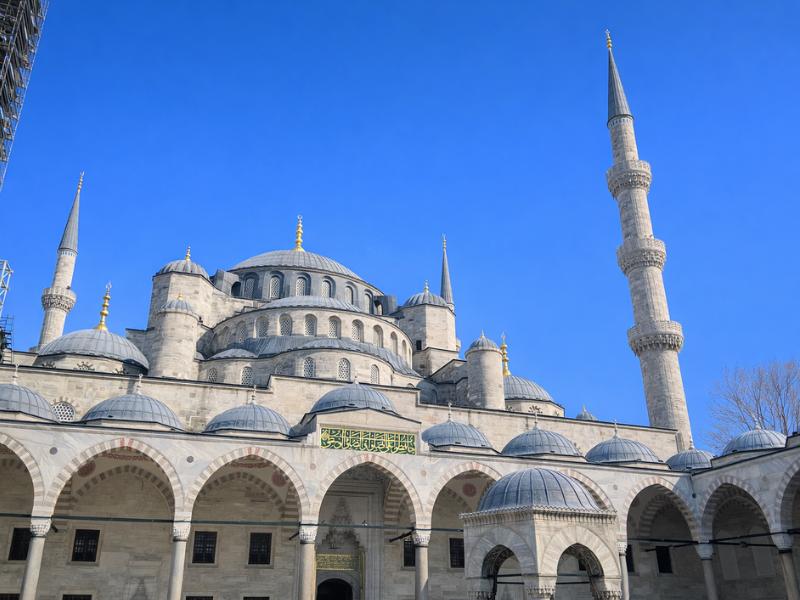
Hagia Sophia & Blue Mosque Small-Group Guided Tour
Fall: a three-hour walk across Sultanahmet that takes in both buildings with a licensed guide.
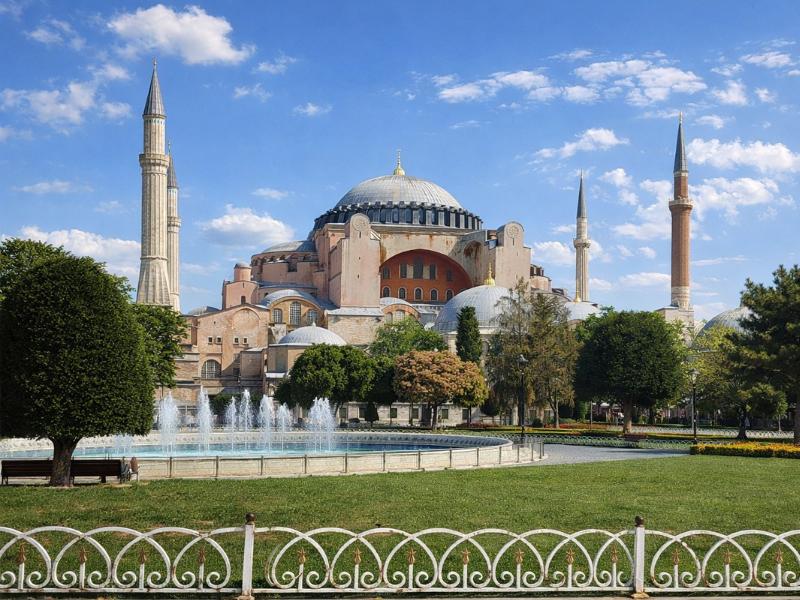
Exclusive Private Hagia Sophia Tour – Skip the Ticket Line
Winter: private licensed guide and skip-the-line entry, so questions and pace stay with your group.
Hagia Sophia & Basilica Cistern Combo Ticket with Optional Topkapi Palace
Any season: one booking for Hagia Sophia and the Cistern, with optional Topkapi Palace. Valid 72 hours.
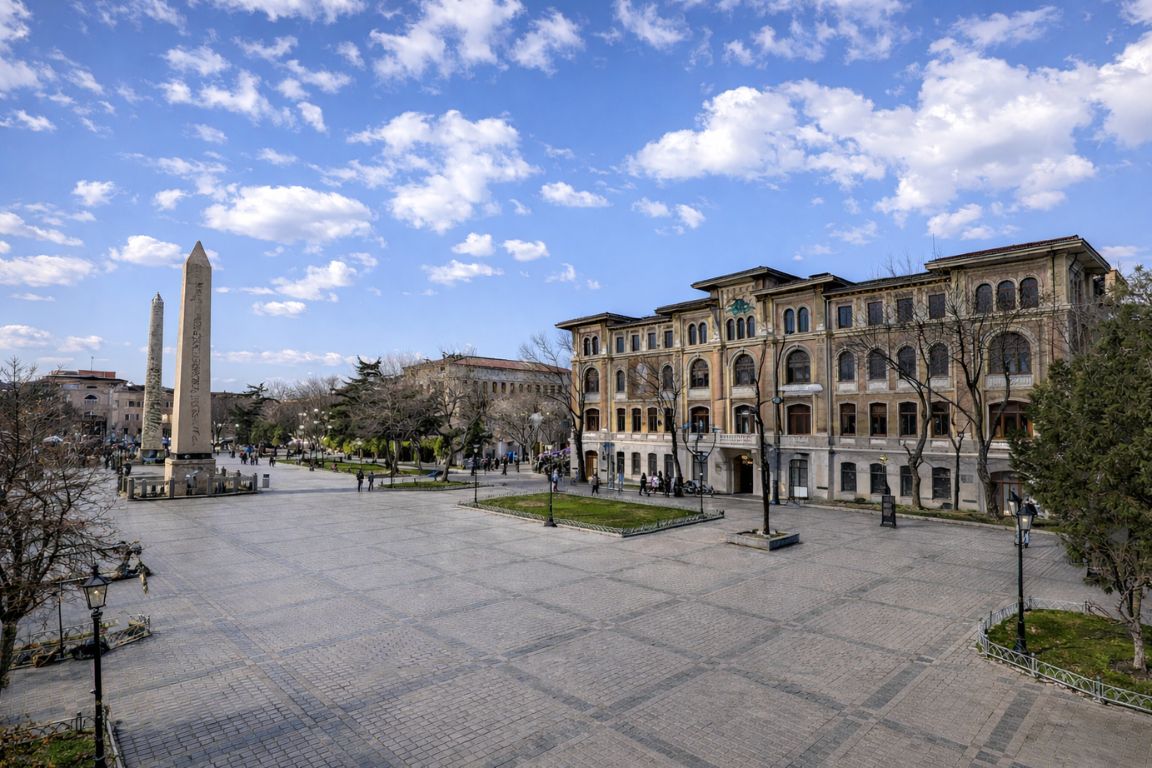 The Hagia Sophia History and Experience Museum is a completely separate building near the Blue Mosque, operated by DEM Museums. It costs €25 as a standalone ticket or is bundled with the mosque ticket in combo packages. The museum runs an immersive audiovisual experience across 13 rooms, covering 1,700 years of the building’s history, plus a floor of original artifacts. It is not the mosque. Many visitors accidentally purchase it thinking it is entry to the mosque itself.
This point deserves more space than it usually gets. The confusion is structural. Both the mosque ticket booth and the museum ticket are sold under the DEM Museums umbrella, in proximity to each other, with “Hagia Sophia” appearing at the top of both products. Numerous reviews from 2024 and 2025 describe visitors who paid €25 for the museum instead of the mosque, or who paid €50 for the combo not realizing they were buying two different attractions. When they sought refunds, they were told no.
So: what is it actually? The museum occupies the former Defter-i Hakani Registry Building on Sultanahmet Square, about 200 meters from the mosque. The experience runs roughly 23 to 30 minutes in groups of 7 to 15. You move through projection rooms with sound and visuals covering the Byzantine and Ottoman periods, then descend to a lower floor with nearly 300 original artifacts. The building is entirely separate from Hagia Sophia. After the museum, you walk five minutes to the mosque.
Reviewer opinion splits into two camps. One side finds it genuinely useful context for first-time visitors who want to understand what they’re about to see, particularly for travelers less familiar with Byzantine history. Several reviewers specifically suggested visiting the museum before the mosque. The other camp calls it overpriced, audio-heavy, and a poor substitute for standing inside the actual building. Common complaints include music drowning out the narration, staff rushing visitors out, and the €50 combined spend feeling steep for what you receive.
Our read, from 16 years of guiding: the museum is optional. If you visit Hagia Sophia with solid historical context, either through a guide’s briefing or your own research beforehand, the museum adds little. If you’re arriving cold with no background on Byzantine history, 30 minutes of audiovisual storytelling before entering a 1,500-year-old building can make the visit significantly richer. The key is going in knowing exactly what it is and what it isn’t.
The History Museum is a separate attraction. None of the recommended gallery options here should be read as a museum-only ticket. Compare Named Ticket Inclusions →
Are There Discounts, Free Entry, Or Combo Deals?
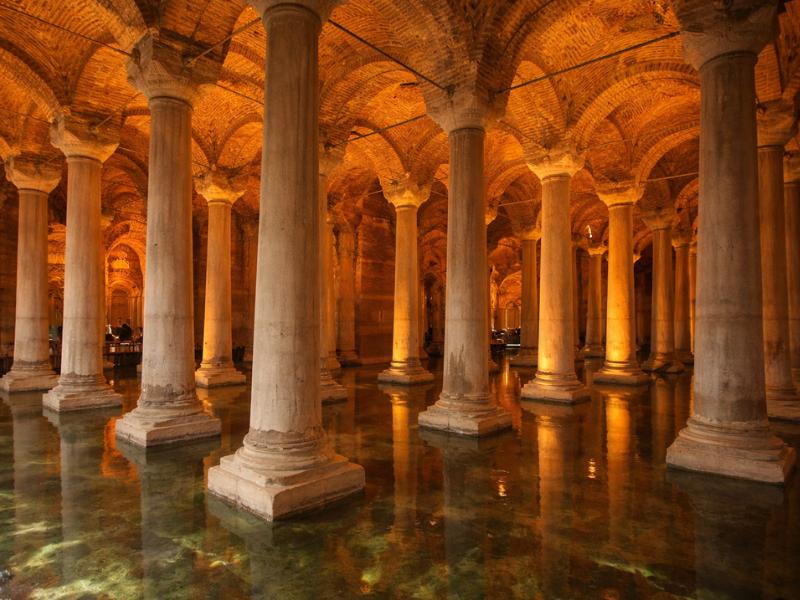
No discounts exist for Hagia Sophia’s tourist ticket. No student reduction, no EU concession, no senior rate. Free entry applies only to Turkish citizens entering the mosque to pray. Foreign Muslims must still pay €25. The Museum Pass Istanbul is definitively not valid. Combo tickets bundling Hagia Sophia with the Basilica Cistern or Topkapi Palace are available through third-party platforms and can save money compared to buying each separately.
This is one of the more commonly misunderstood things about visiting. Hagia Sophia no longer operates as a museum in the legal sense, having been reconverted to an active mosque in 2020. Because of that status change, the Museum Pass Istanbul explicitly excludes it. The official Museum Pass Istanbul website states directly that the pass is not valid at Hagia Sophia. No version of the pass, including the premium tier, covers entry. Purchasing a Museum Pass for other sites makes sense; just don’t factor Hagia Sophia into that calculation.
Combo tickets are a legitimate way to reduce costs across a Sultanahmet day. The Basilica Cistern has its own ticket queue that can rival Hagia Sophia’s during peak season, so a combined skip-the-line ticket for both serves a practical purpose beyond the price saving. Topkapi Palace combos are also available. Compare the combined price to buying separately before committing, as third-party pricing varies.
The one free access that does exist, beyond Turkish citizen worship, is the adjacent Sultan Tombs. These mausoleums are a two-minute walk from the Hagia Sophia exit, free of charge, and feature some of the finest Iznik tilework in Istanbul. Most visitors walk past them without knowing they’re open. Don’t be one of them.
Wondering which Hagia Sophia tours are worth the price and which ones are just glorified queue jumpers? This best Hagia Sophia tours guide covers what separates a genuinely good experience from an overpriced one.
See two remarkable interiors
Hagia Sophia & Cistern combo
Hagia Sophia + Cistern · 3-day validity
Booking more than one Sultanahmet interior?See what the gallery-and-Cistern bundle includes before buying the two admissions separately.
Check Your Two-Site Visit Dates →What Happens If You Arrive During Prayer Time – Does Your Ticket Still Work?
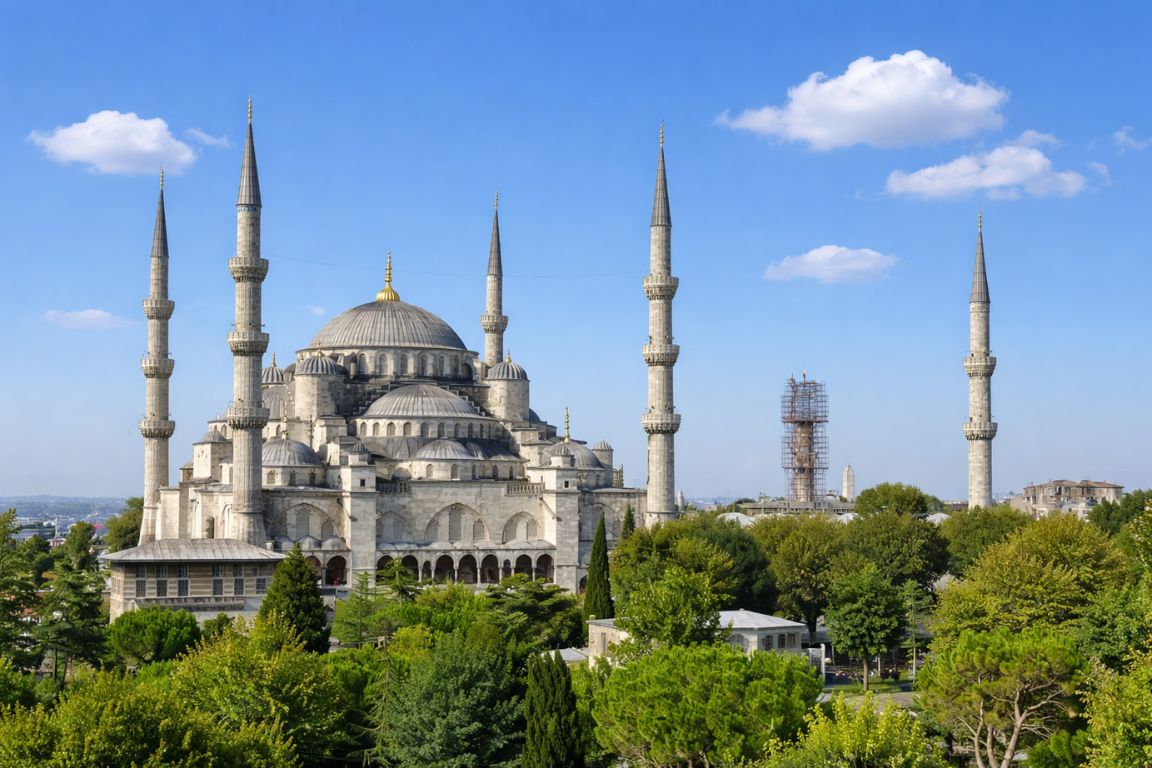 On Fridays between 12:00 and 14:30, the tourist visiting area closes completely for congregational prayer. No ticket – standard, skip-the-line, or guided tour – gets you in during this window. Your ticket remains valid; you simply have to wait until 14:30 for tourist access to resume. For the five daily prayers on non-Friday days, tourist access is typically restricted but not fully suspended, with barriers placed and staff managing flow.
The Friday closure is the one that matters most. If you have a skip-the-line ticket with a booked time slot that falls inside 12:00 to 14:30 on a Friday, your operator will typically adjust your entry time or inform you in advance. If you bought a standard on-site ticket that morning, you wait. The square is pleasant, the Blue Mosque is across the street, and 14:30 comes around.
Not sure whether to prioritize Hagia Sophia or the Blue Mosque on a tight Istanbul itinerary? Check out our Hagia Sophia tours vs Blue Mosque guide before you start planning your days.
For the five daily prayers on non-Friday days, the official guidance is more nuanced. Prayer times shift daily with the sun and are not fixed on the clock. During these shorter prayer windows, tourists in the upper gallery may be asked to remain in certain areas while barriers go up. The prayer hall below remains the exclusive domain of worshippers. In practice, most visitors don’t experience dramatic disruption during the daily prayers, but Friday noon is a hard stop.
Eid al-Fitr and Eid al-Adha are worth noting. On the morning of the first day of major Islamic holidays, the building closes to tourists for special prayers. Visitor numbers from the Gulf region also spike during these periods, which affects overall crowd levels throughout the day. If your Istanbul dates overlap with a major Islamic holiday, check the dates in advance and adjust your visit plan accordingly.
One thing skip-the-line tickets explicitly cannot do: override a prayer closure. The queue advantage is real and valuable. The prayer calendar is a separate matter entirely, and no ticket type gives you access during a closure. This is stated clearly in the booking terms of every major platform.
We’ve put together a full timing breakdown in our best time to visit Hagia Sophia tours guide so you know exactly when to go based on your priorities whether that’s photos, crowds, or just getting in and out efficiently.
A dated ticket cannot override a site closure. Follow the provider’s date instructions and ask about any conflict before paying. Review Dates With The Provider →
What Are The Most Common Ticketing Mistakes Visitors Make?
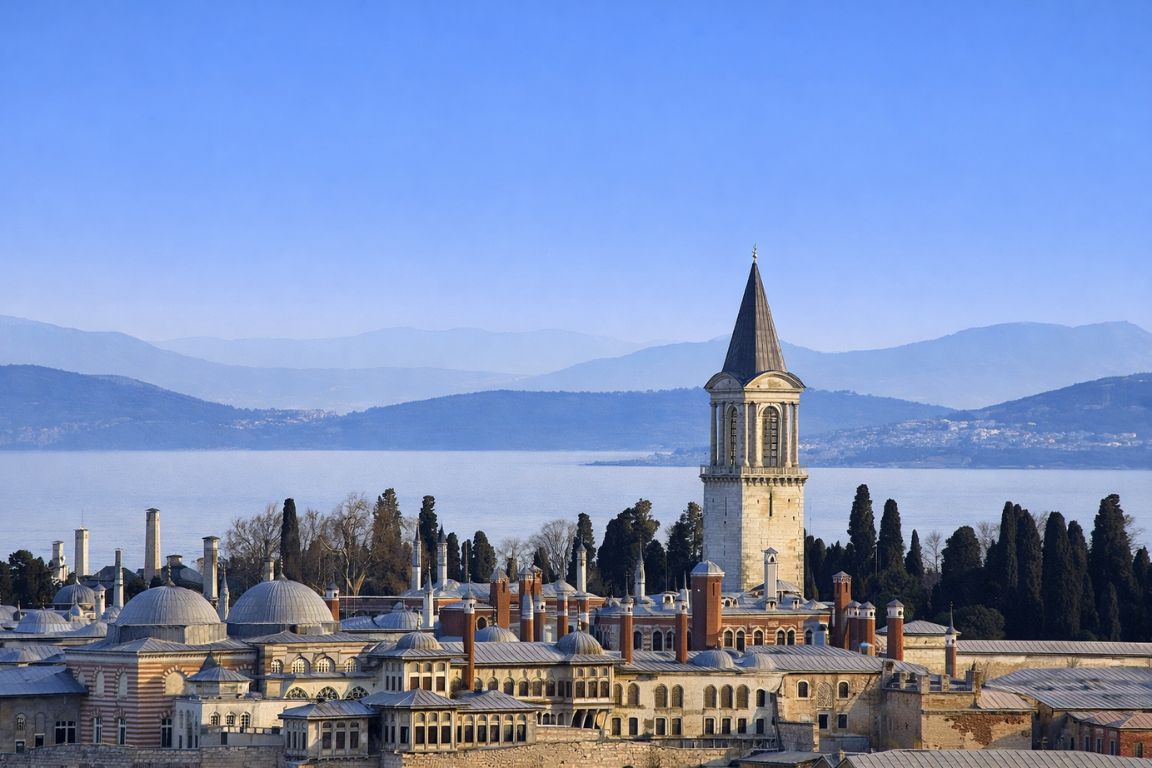 The five most common mistakes, in order of frequency and cost: buying the History Museum ticket instead of the mosque ticket; paying in Turkish lira at an unfavorable rate instead of euros or card; arriving on Friday midday without knowing about the closure; purchasing a Museum Pass Istanbul expecting it to cover entry; and showing up in peak summer without a pre-booked ticket and losing 60 to 90 minutes in the queue. Skip-the-line ticket which can be purchased here.
The museum ticket confusion is the one that generates the most frustration, and it’s worth walking through exactly how it happens. The ticket booth area near the Sultan Ahmed III Fountain is shared territory. Staff may ask visitors if they want the mosque ticket, the museum ticket, or the combo. The word “Hagia Sophia” appears on all of them. Without knowing that the museum is a completely separate building, the combo sounds like an upgrade. Several travelers have reported being unable to get refunds after realizing the mistake, including one visitor from Canada who spent €54 and ended up in the wrong building entirely.
The lira payment issue is smaller but consistent. The exchange rate applied at the on-site booth follows management policy and is not the interbank rate. Paying with a euro note or a credit card avoids the problem entirely. If you only have lira, you’re still fine – just don’t expect a favorable conversion.
Arriving without a ticket on a Tuesday in peak summer is another pattern we see from our groups. Topkapi Palace closes on Tuesdays, which pushes more visitors toward Hagia Sophia. The crowd spike is measurable. If Tuesday is your only free day, book online.
The Museum Pass issue gets visitors who’ve done their research on Istanbul but read an older article. Before 2020, Hagia Sophia was a museum and the pass was valid. The pass has not covered Hagia Sophia since the mosque reconversion. Multiple current Museum Pass Istanbul pages explicitly state this, but enough old articles still circulate that people show up at the gate expecting the pass to work.
Check attraction identity, child ages, ticket delivery and the total in one place before purchase. Use The Final Ticket Checklist →
Practical Planning Points For Your Visit
| Pre-booked online vs. bought at door | Pre-booked groups consistently entered 40-60 min faster in summer |
| Arrived unaware of Friday 12:00–14:30 closure | Now a standard briefing point in our pre-visit communications |
| Chose combo ticket (Hagia Sophia + Basilica Cistern) | Rated highest satisfaction among all ticket types for full Sultanahmet day |
| Accidentally purchased History Museum instead of mosque | Addressed by flagging the distinction explicitly in all our pre-arrival guides |
| Used Museum Pass Istanbul expecting Hagia Sophia coverage | Pass is not valid; still required separate €25 purchase on-site |
Compare your actual quotes instead of relying on historic averages or implied savings. Calculate Your Party’s Difference →
Frequently Asked Questions
How much is a Hagia Sophia ticket in 2026?
€25 per adult for all foreign tourists. Children under 8 enter free with ID. Prices verified April 2026.
Use current provider totals and child ages rather than an old quoted price. Compare Your Party Totals →
Can I use the Istanbul Museum Pass at Hagia Sophia?
No. The Museum Pass Istanbul is not valid at Hagia Sophia and has not been valid since the building was reconverted to an active mosque in 2020. A separate €25 ticket is required regardless of what passes you hold.
Check named admissions on the product before assuming a pass covers them. Compare Entry Inclusions →
Where exactly is the ticket booth?
On the northeast side of the building, across from the Sultan Ahmed III Fountain, next to the Imperial Gate of Topkapi Palace. This is not the fountain in the courtyard between Hagia Sophia and the Blue Mosque. The tourist entrance gate is directly beside the ticket booth.
Follow the provider’s option-specific redemption instructions, which may differ from a booth purchase. Read Ticket Delivery Details →
What is the Hagia Sophia History Museum and is it worth buying?
It is a completely separate building near the Blue Mosque, costing an additional €25. It features 13 audiovisual rooms covering the building’s 1,700-year history, plus an artifact floor. It is not the mosque. Reviewers are divided: some find it useful context, others find it overpriced. The key risk is accidentally buying it instead of the mosque ticket. Confirm what you’re purchasing before you pay.
Confirm that your purchase names the mosque visitor gallery if that is your destination. Review The Ticket Checklist →
Do skip-the-line tickets actually work?
Yes, for the ticket queue. In peak summer, that queue runs 60 to 90 minutes on-site. Online skip-the-line tickets bypass it. They do not bypass the mandatory security screening, which runs 10 to 30 minutes separately and applies to every visitor regardless of ticket type.
This entry option does not offer priority through security. Choose Ticket-Line Entry →
What happens to my ticket if I arrive during Friday prayer?
Your ticket remains valid, but tourist access is suspended from 12:00 to 14:30 every Friday for congregational prayer. No ticket type grants entry during this window. You wait until 14:30 for the visiting area to reopen. Tour operators typically adjust scheduled entry times to avoid this window; confirm with your operator if booking a guided visit on a Friday.
Confirm date changes with the provider; do not assume a missed slot remains valid. Review Date And Cancellation Terms →
Is there a discount for students or seniors?
No. There are no student, senior, or EU concession discounts for foreign visitors to Hagia Sophia. The €25 flat rate applies to everyone over 8 years old except Turkish citizens entering to pray.
Skip the ticket confusion and the queue together.
Fourteen years of guiding means we’ve seen every ticketing mistake that exists at this building. Our groups arrive with the right tickets, at the right time, on the right day. If you want a visit that doesn’t start with 90 minutes in the sun outside the ticket booth, open the skip-the-line ticket.
Keep the gallery ticket, optional extras and current date terms separate in your decision. Choose The Right Ticket →
Enter ages and check the final total. The recommended entry provider lists ages 0 to 6 as free. Review Current Age Rules →