Best Time to Visit Hagia Sophia
Best time to visit Hagia Sophia? Go early on a weekday (Apr-May or Sep-Oct) for fewer crowds and the best light - plus key times to avoid.
Last updated: April 11, 2026
Choose the day and arrival window first, then select entry or a walk that fits. A ticket saves the booth queue; it cannot guarantee quiet galleries or a particular light effect. Match Your Season And Visit ↓
Booking Summary: In brief: select the exact ticket option, check child and access requirements, and leave time for security. Blue Mosque admission is free; guidance is optional.
Best Time To Visit Hagia Sophia: Quick Reference
| Season | April, May, September, October | July-August midday |
| Day of week | Wednesday or Thursday morning | Friday 12:00-14:30; Saturday-Sunday; Tuesday |
| Time of day | Opening (08:00-09:00) or late afternoon (17:00-18:30) | 10:30-14:00 daily (peak crowds and queue) |
| Light for photography | 09:00-11:00 (morning shafts); 17:00+ (golden afternoon) | Overcast winter days; harsh midday light |
| Fewest crowds overall | December-February weekday mornings | Eid holidays; European school holiday peaks |
| Tight schedule | First slot at opening, pre-booked skip-the-line | Friday midday; any weekend without online booking |
Turn the seasonal guidance into a format choice, then confirm the actual departure or ticket window. Match Season And Format →
What Is The Best Overall Time Of Year To Visit Hagia Sophia?
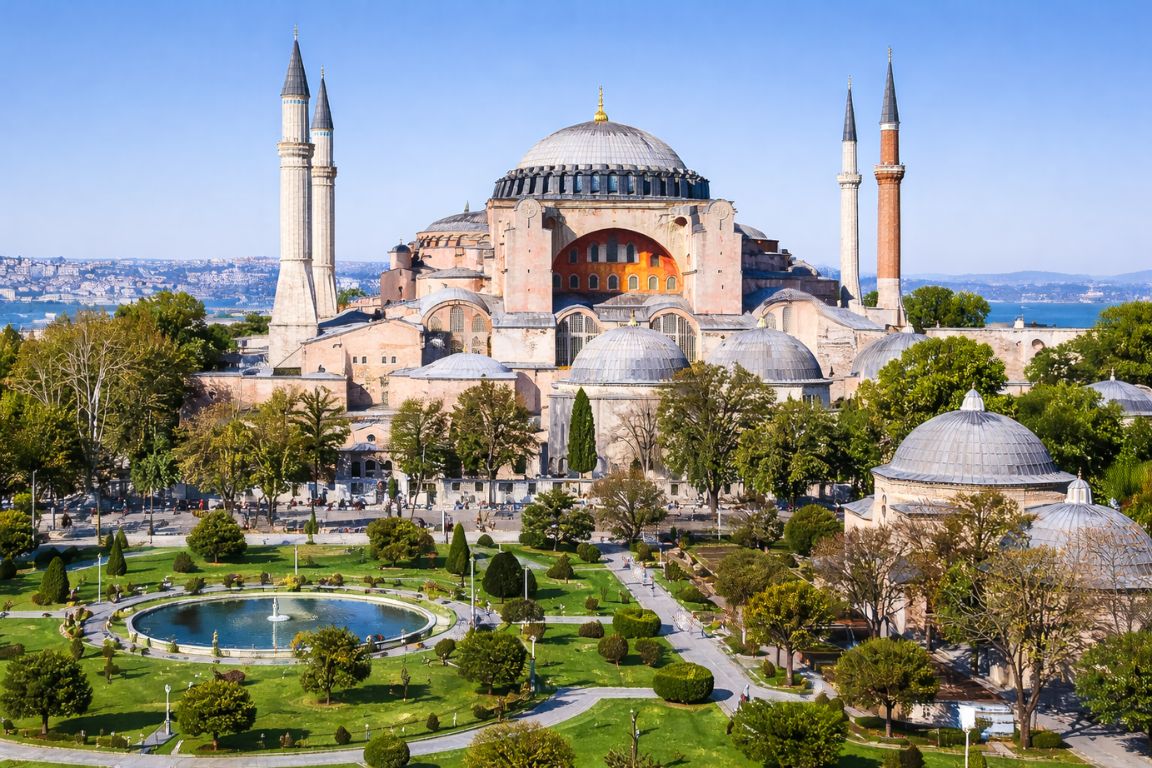 April, May, September, and October consistently deliver the best combination of manageable crowds, comfortable temperatures, and good interior light. Istanbul’s weather in these shoulder months averages 15°C to 22°C, which makes standing in the security queue and walking the Sultanahmet area genuinely pleasant. June through August brings peak tourist volume and heat exceeding 30°C. December through February is the quietest period but produces darker interiors as the sun’s angle is too low to catch the dome windows effectively.
The timing question at Hagia Sophia has a nuance that most articles miss: season matters far less than time of day. We’ve guided groups through July at 08:30 that had calmer gallery conditions than groups in October who arrived at 11:30. The building receives 17,000 to 20,000 visitors per day in peak season. All of them funnel through the same upper gallery route. The difference between a congested visit and a spacious one is overwhelmingly determined by what time you walk through the entrance, not what month it is.
That said, season does affect three things worth considering. The first is external comfort, specifically standing in the security queue outside. In July and August that queue is in direct sun and can run 30 to 60 minutes. In October the same queue is in cool air. The second is interior light quality. In summer, the dome’s 40 windows catch high-angle morning sun and produce vivid light shafts. In winter, the lower sun angle means the light is gentler but less dramatic. The third is hotel prices and general Istanbul crowds, which peak in summer and drop considerably in winter.
The shoulder seasons, April, May, September, and October, remain our standing recommendation because they stack all three factors favorably. The weather is comfortable, the interior light is good, and the overall visitor volume is lower than peak. Within those months, Wednesday and Thursday mornings at opening are as close to perfect timing as this building gets.
Timing your visit correctly is easier on a guided tour with licensed guide and fast entry. Check guided tour times with fast entry before you set your schedule.
A spring or autumn walk connects both mosques with time outdoors between them. Choose your date on the provider page. Choose A Two-Mosque Walking Date →
What Is The Best Time Of Day To Visit Hagia Sophia?
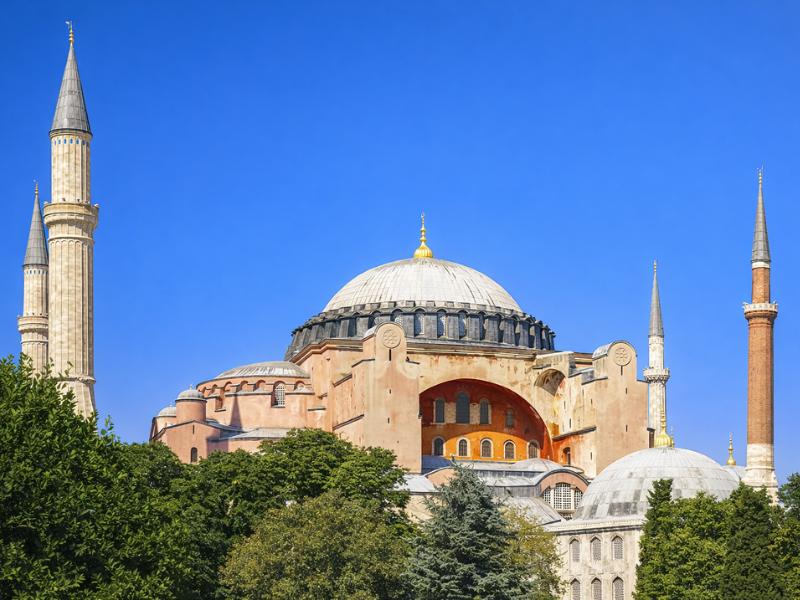
The first slot after opening, between 08:00 and 09:00 in summer (April-October) or 09:00 in winter, is the single best daily window. Tour groups begin arriving in volume after 10:30. By 11:30 the gallery fills with multiple groups moving through simultaneously and the Deesis area becomes genuinely congested. Late afternoon from 17:00 to 18:30 is the second-best window: crowds thin as tour groups leave for dinner, and the low western sun produces a warm golden quality inside the gallery.
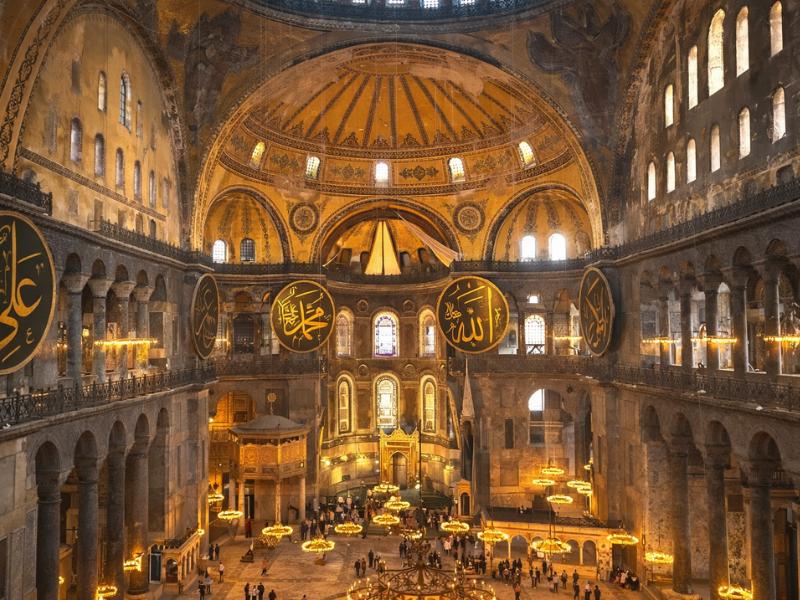
The morning advantage is partly about crowd levels and partly about light. The 40 windows at the base of the dome are oriented to catch morning sun from the east. In the first hour after opening on a clear day, the light comes through in distinct shafts that make the dome appear to float exactly as the 6th-century historian Procopius described: suspended from heaven by a chain. By noon the sun is overhead and the effect is lost. This is not a minor aesthetic point. The Byzantine architects specifically designed the building’s lighting to create this impression. Visiting at the wrong time of day means seeing a building whose primary visual effect isn’t working.
The worst daily window is 10:30 to 14:00. This is when tour groups from cruise ships and organized coaches stack up, when the security queue is longest, and when the gallery is most crowded. If you arrive in this window during a summer weekend, you will spend most of your visit behind a group of 20 people moving in a tight cluster, unable to stop at the Deesis for more than 30 seconds without someone’s elbow in your side.
Late afternoon from 17:00 onward is underrated. Most group tours have finished by then. The gallery is quieter, and the sun’s position shifts to the west, creating a warmer amber light that makes the marble floors and the mosaic tesserae glow differently from the morning. It is a better photographic window than midday and approaches the quality of the early morning. Last entry is 18:30, so arrive by 17:30 at the latest.
Visiting Hagia Sophia for the first time? Here’s how to visit Hagia Sophia tours so you don’t waste your one chance at this landmark standing in the wrong spot at the wrong time.
Explore at your own pace
Hagia Sophia gallery entry
Gallery entry · Smartphone audio
What could you notice on an unhurried gallery visit?Explore the mosaics with audio and spend longer at the views that interest you.
Discover the Hagia Sophia Gallery →Which Days Of The Week Are The Least Crowded?
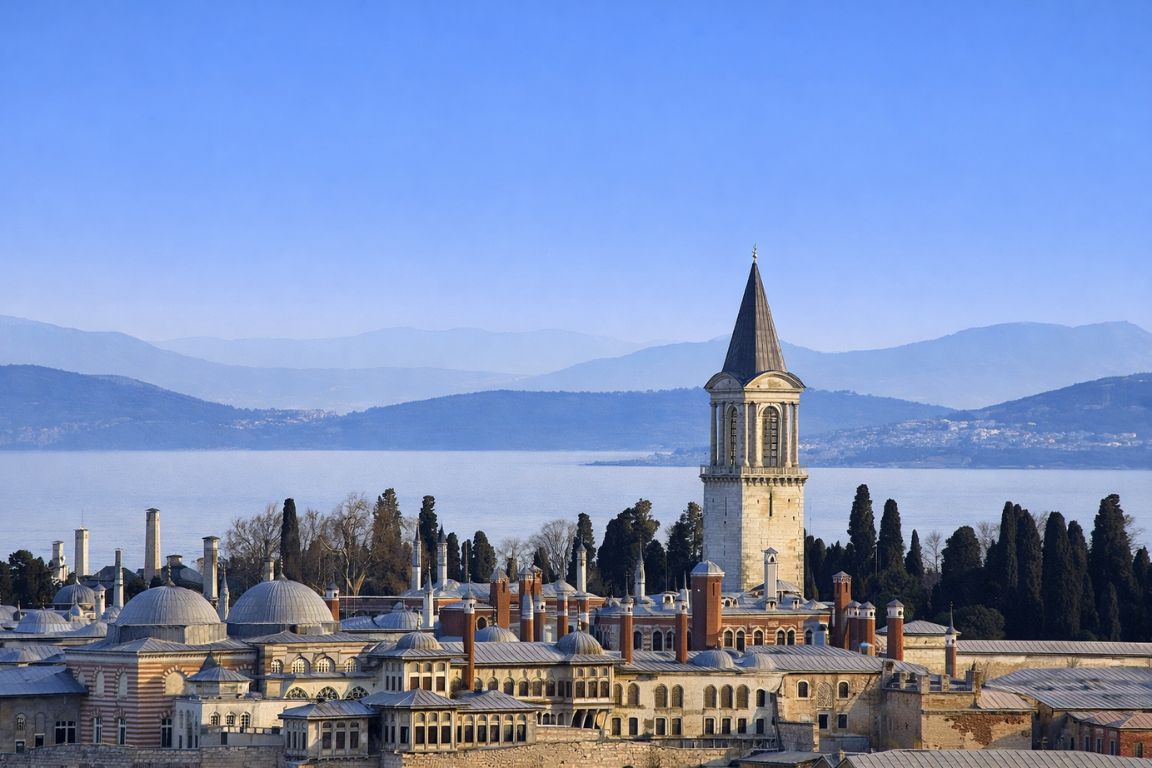 Wednesday and Thursday mornings are consistently the least crowded days. Monday is moderately busy. Tuesday looks promising on paper but is actually one of the more congested weekdays because Topkapi Palace is closed that day, and visitors who would otherwise be at the palace redirect to Hagia Sophia. Friday is complex: the morning is often quieter than Saturday, but the 12:00-14:30 prayer closure creates a planning constraint. Weekends, particularly Saturdays, are the busiest days of the week year-round.
The Tuesday issue is one of the least-discussed timing details at Hagia Sophia. Topkapi Palace, which sits 260 meters away and draws its own large daily audience, is closed every Tuesday. A meaningful share of those visitors migrate to Hagia Sophia instead, which creates a measurable crowd spike that doesn’t appear on any official guidance. We’ve seen it consistently across years of guiding. If you’re in Istanbul on a weekday and Tuesday is one of your options, Wednesday or Thursday serves you better.
Friday mornings before the prayer closure are genuinely calm, often among the quieter moments of the week. The challenge is the 12:00-14:30 shutdown. If your only available window falls across that boundary, you either rush to finish before noon or arrive after 14:30. Both are manageable with planning. What’s not manageable is arriving at 12:15 expecting to go in.
Saturdays are the peak day overall, combining domestic and international tourism at maximum volume. If a Saturday visit is unavoidable, arrive at the 08:00 or 09:00 opening. That first hour on a summer Saturday is still workable. By 10:30 it is not.
Keep the day of the week in your itinerary, especially if the optional Topkapi stop matters. Read Topkapi’s Tuesday Constraint →
What Happens During Prayer Times And When Should You Avoid Visiting?
Hagia Sophia follows five daily prayer times, during which barriers may be placed and certain gallery areas restricted. The only hard tourist closure is Friday 12:00-14:30 for Jumu’ah (congregational prayer). No ticket type, including skip-the-line, grants entry during this window. Daily prayer closures outside of Fridays are shorter (roughly 20-40 minutes each) and typically restrict access to certain areas rather than closing the visiting route entirely. Prayer times shift daily with the sun’s position, so check the Istanbul prayer schedule before visiting on any day.
The five daily prayers in Islam follow the sun’s position and vary throughout the year. In summer, Fajr (dawn prayer) occurs around 04:30 and Isha (night prayer) around 22:00. In winter, those windows compress significantly. For practical planning purposes, the prayers most likely to affect a tourist visit are Dhuhr (midday) and Asr (afternoon). On non-Fridays, these create short windows where gallery sections may be temporarily restricted but the building doesn’t fully close.
Friday is categorically different. The Friday 12:00-14:30 closure is not a partial restriction. Tourist access stops completely. The building’s upper gallery, the only area tourists can visit, closes for the duration of Jumu’ah prayer. If you have a guided tour scheduled during this window on a Friday, your operator must restructure the schedule. If you showed up at the ticket booth at 12:15 with a pre-purchased ticket, you wait outside until 14:30.
Eid al-Fitr and Eid al-Adha bring additional complications. On the morning of the first day of both major Islamic holidays, Hagia Sophia closes to tourists for special prayers. Visitor numbers, particularly from Gulf region travelers, also spike significantly during these periods, affecting overall crowd levels for several days around the holiday. Check Islamic calendar dates when planning visits to Istanbul between spring and autumn.
Heading to Hagia Sophia and want to get the entry requirements right first time? Here’s our Hagia Sophia dress code and rules for tourists so there are no awkward surprises at the door.
A paid tour cannot override worship restrictions. Confirm your selected date and the operator’s current meeting time. Review Date And Entry Details →
How Do The Seasons Affect The Visit – Light, Crowds, And Weather?
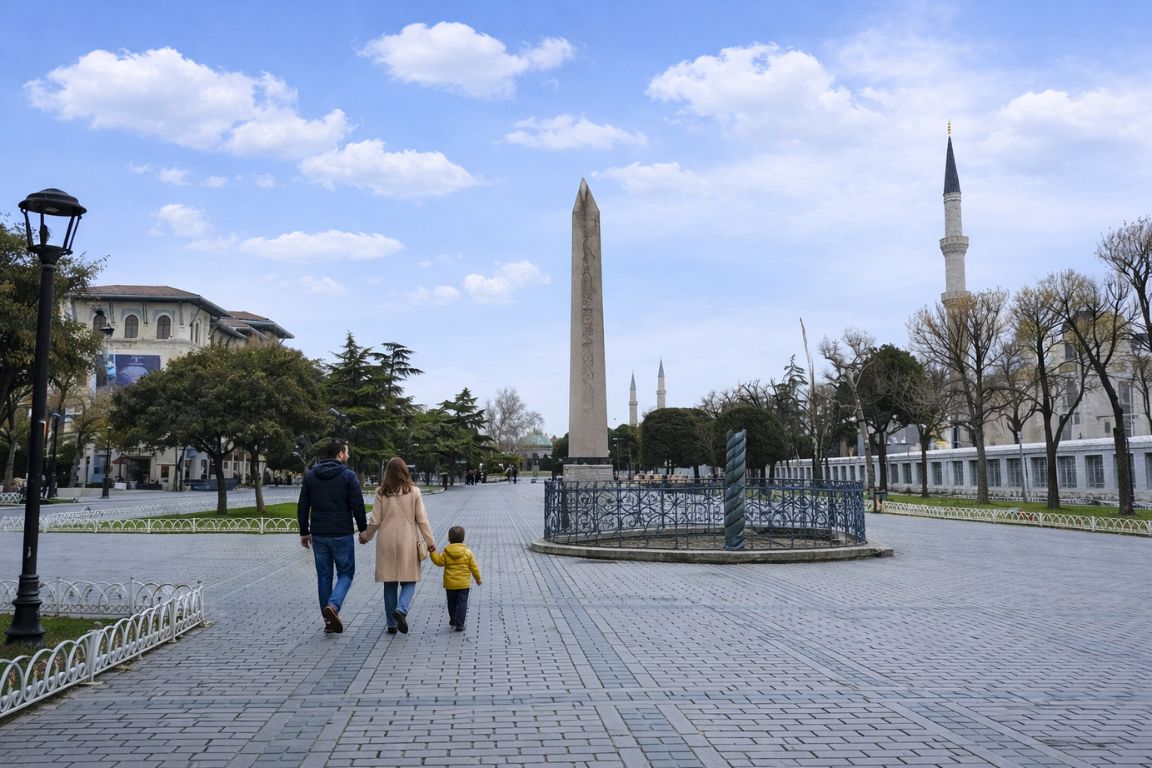 Spring (March-May) brings mild weather of 9°C to 20°C, manageable crowds before summer peak, and strong interior light from rising morning sun angles. Summer (June-August) delivers maximum crowds, heat above 30°C, but the longest days and most dramatic dome light. Autumn (September-October) mirrors spring in quality with the added bonus of post-summer crowd drop. Winter (November-February) is the quietest period with temperatures of 4°C to 11°C, frequent rain, and a darker interior as the low sun angle rarely catches the dome windows at full effect.
Spring is when Istanbul is genuinely beautiful. The Tulip Festival in April fills Sultanahmet Square with color. The temperature is comfortable enough to stand in the security queue without misery. The interior light is strong: as the sun climbs higher through April and May, morning light hits the dome windows at increasingly effective angles. Crowds are building but haven’t peaked. This is probably the best overall season if you can choose freely.
Summer is the testing season. July and August are the most popular months for Istanbul tourism, and Hagia Sophia receives its maximum daily visitor counts during this period. Peak summer security queues can hit 60 to 90 minutes. Inside the gallery, groups are dense. The heat in Sultanahmet Square exceeds 30°C on many days, and the queue is in direct sun. None of this is insurmountable with an early morning visit and a pre-purchased ticket. But it requires deliberate planning rather than casual arrival.
Autumn’s great advantage is the post-summer drop. September still has summer-quality weather (18°C to 25°C) with noticeably fewer crowds than August. October is when the shift becomes most pronounced: clear days, light jackets, and gallery visits where you can actually linger at the Deesis without a crowd pressing in from behind. Late October brings Republic Day (October 29), a Turkish national holiday that increases domestic visitors for a day or two.
Winter is the hidden gem for visitors who prioritize solitude over sunlight. December through February sees the fewest tourists of any period. The gallery on a midweek January morning can feel nearly private. The tradeoff is real: the dome is darker, rain is more frequent (November and December are Istanbul’s wettest months), and the exterior of the building on grey days lacks the visual warmth that photographs are typically taken in. The mosaics, however, look exactly the same regardless of season.
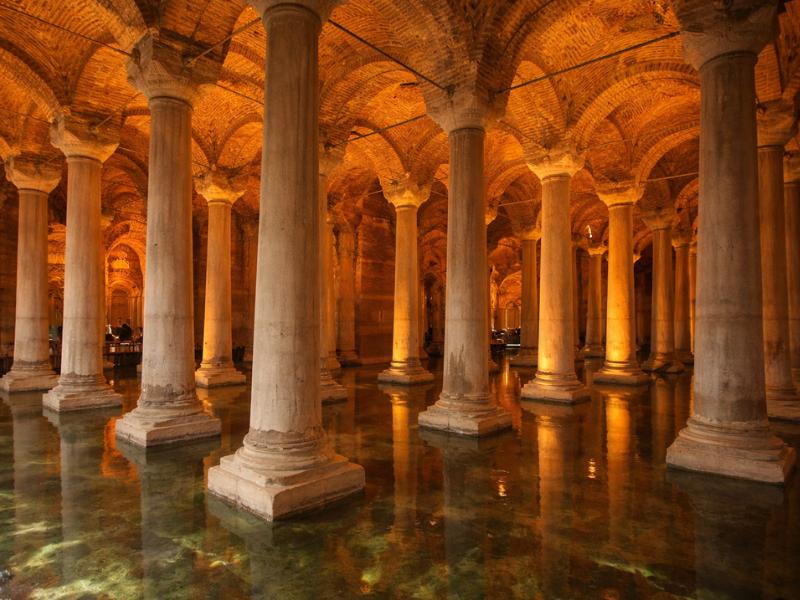
See two remarkable interiors
Hagia Sophia & Cistern combo
Hagia Sophia + Cistern · 3-day validity
Planning your sightseeing around the season?Pair two indoor visits and spread them across the combo’s three-day validity window.
Check Your Two-Site Visit Dates →What Is Hagia Sophia Like To Visit Each Month Of The Year?
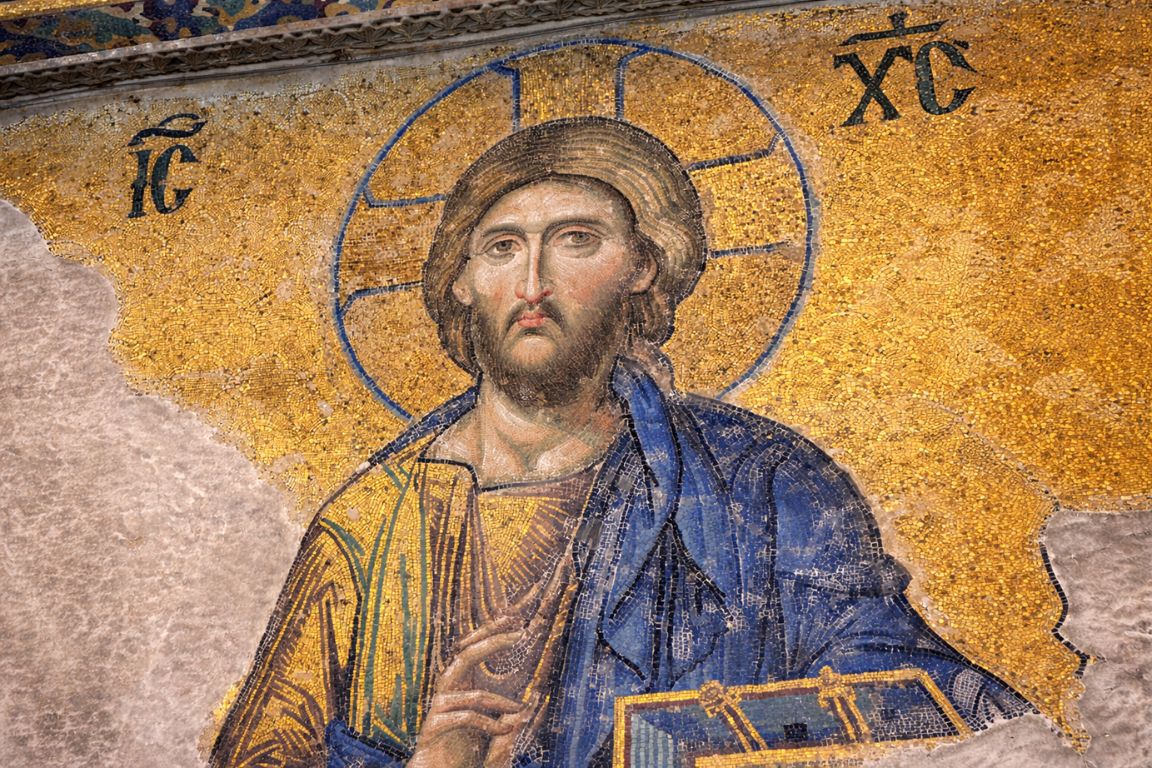 Each month has a distinct profile of weather, crowd level, and light quality. The best months are April, May, September, and October. The worst for crowds are July and August. The quietest are January and February. Every month is viable with correct timing within the day.
| January | 3-8°C | Very Low | Dim, low sun angle | Good for solitude, not for light |
| February | 3-8°C | Very Low | Dim; occasional sunny days improve it | Best month for an uncrowded visit |
| March | 6-13°C | Low-Moderate | Improving as sun rises; variable | Good value, manageable crowds |
| April | 9-17°C | Moderate | Very Good – morning shafts active | One of the two best months |
| May | 14-22°C | Moderate-High | Excellent – long morning light window | One of the two best months |
| June | 18-26°C | High | Excellent, long days | Good if visiting at opening; crowds manageable early |
| July | 22-28°C | Peak | Strong but harsh from midday | Demanding; only workable at opening with pre-booking |
| August | 23-28°C | Peak | Strong; long daylight window | Hardest month; requires 08:00 arrival, skip-the-line essential |
| September | 18-25°C | Moderate-High | Very Good – warm amber tones | One of the two best months |
| October | 13-20°C | Moderate | Good; lower sun adds depth to mosaics | One of the two best months |
| November | 9-16°C | Low | Variable; rainy days reduce interior light | Good for short queues; light unpredictable |
| December | 5-11°C | Very Low | Dim; wettest month for Istanbul | Excellent for solitude; bring warm layers |
January and February are the quietest months of the year. Queues are minimal. On a clear January morning we have walked groups straight to the gallery entrance with no wait at all. The interior is darker, which is a real trade-off, but the mosaics don’t require bright light to move you. The Deesis at low illumination has a different quality from its summer version. Neither is objectively better. They are different experiences of the same object.
Recommended tours by season
Hagia Sophia Skip-the-Line Entry Ticket
A reserved ticket for June through August, so you are not buying admission at the door in the peak months.
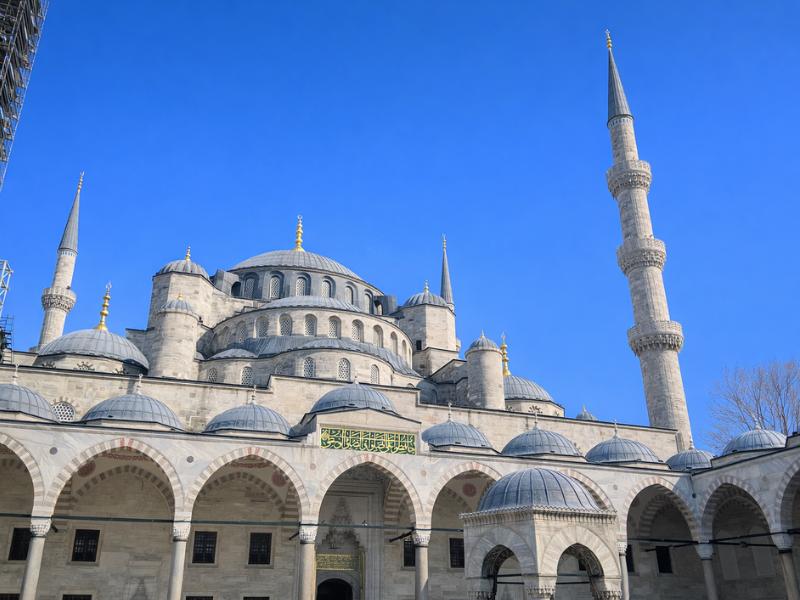
Hagia Sophia & Blue Mosque Small-Group Guided Tour
A three-hour small-group walk suited to April, May, September, and October, when there is time to stop at the mosaics.
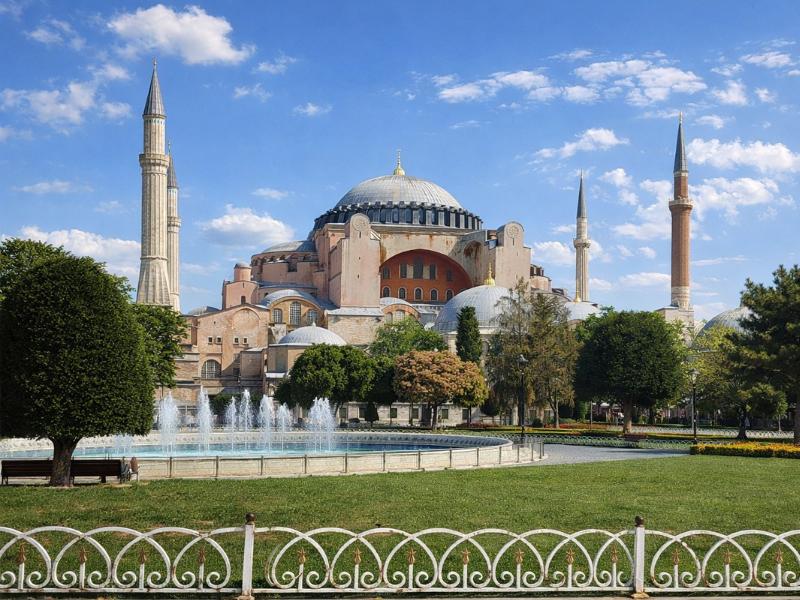
Exclusive Private Hagia Sophia Tour – Skip the Ticket Line
A private guide and skip-the-line entry for November through February, when the gallery is at its quietest.
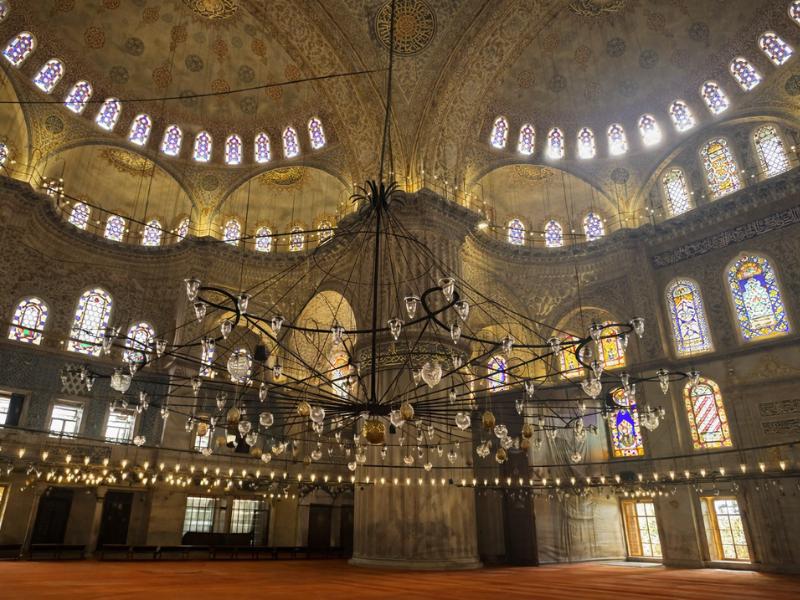
Istanbul Highlights Guided Tour – Hagia Sophia, Blue Mosque & Tickets
A two-hour guided circuit with tickets included, useful in any month when you have a tight schedule.
March marks the beginning of the tourist season’s upswing. Crowds are still manageable and the weather is transitional: some cold days remain but afternoon temperatures are pleasant. Mid-March can still see occasional frost in Istanbul. The interior light improves week by week as the sun rises higher through the month.
April is one of the two best overall months alongside September. The Tulip Festival brings visual energy to Sultanahmet Square. Weather averages 9°C to 17°C, comfortable in light jacket territory. Crowds are building but haven’t reached summer levels. The morning light through the dome windows is active and strong by mid-April.
May pushes into pre-summer territory. Temperatures rise to a comfortable 14°C to 22°C. The interior is bright and warm. Crowds are higher than April but still manageable with an early start. By late May, European school holidays begin sending family groups to Istanbul and the tourist traffic visibly increases.
June is the transition month. Weather is excellent (18°C to 26°C), crowds are high but not at peak, and the light is strong all morning. Visiting at opening in June, with a pre-booked ticket, is genuinely comfortable. Mid-June through the end of the month is when Istanbul’s summer proper begins.
July and August are the honest hardest months. The combination of maximum international tourism, 22°C to 28°C heat, long security queues in direct sun, and a gallery full of people moving in tight groups makes casual visits uncomfortable. This is not a reason to avoid them, but it is a reason to plan carefully. 08:00 arrival with a skip-the-line ticket in July or August produces a workable visit. Arriving at 11:00 without a ticket does not.
Wondering whether booking a guided tour ticket is worth it over just walking in independently? This Hagia Sophia tours tickets explained covers the real differences in access, timing, and what a guide actually adds inside.
September is where the math shifts back in the visitor’s favor. Summer crowds begin dropping while summer weather persists. The interior has a warm amber quality in September mornings that the early season doesn’t produce. By mid-September, Sultanahmet Square is noticeably calmer than August. This is the month we most often recommend to first-time visitors with flexible travel dates.
October continues September’s advantages through the month. The last week of October includes Republic Day (October 29), which creates a domestic visitor spike. Otherwise, October offers clear skies, comfortable temperatures (13°C to 20°C), and gallery visits where lingering at the Deesis is genuinely possible without a crowd at your back.
November is the transition into autumn’s end. Rain increases, the interior becomes darker on overcast days, and crowds drop further. The first half of November can still be very pleasant. The second half is variable. It’s a good month for budget-conscious visitors since accommodation prices fall sharply alongside tourist volume.
December and January are mirror months: quiet, cool, and often wet. The building’s interior on a clear winter morning has a stillness that peak season never offers. Our guides have led groups through Hagia Sophia in January when the gallery felt almost private. If light quality is your primary concern, winter is not ideal. If solitude is what you’re seeking, it may be the best time all year.
Want to know which option actually gets you more out of Hagia Sophia? Here’s our guided vs self-guided visit to Hagia Sophia tours so you can decide what fits your style.
Season affects comfort, not live inventory. Use the month choice with your preferred activity and time budget. Find A Seasonal Format →
When Is The Worst Time To Visit Hagia Sophia?
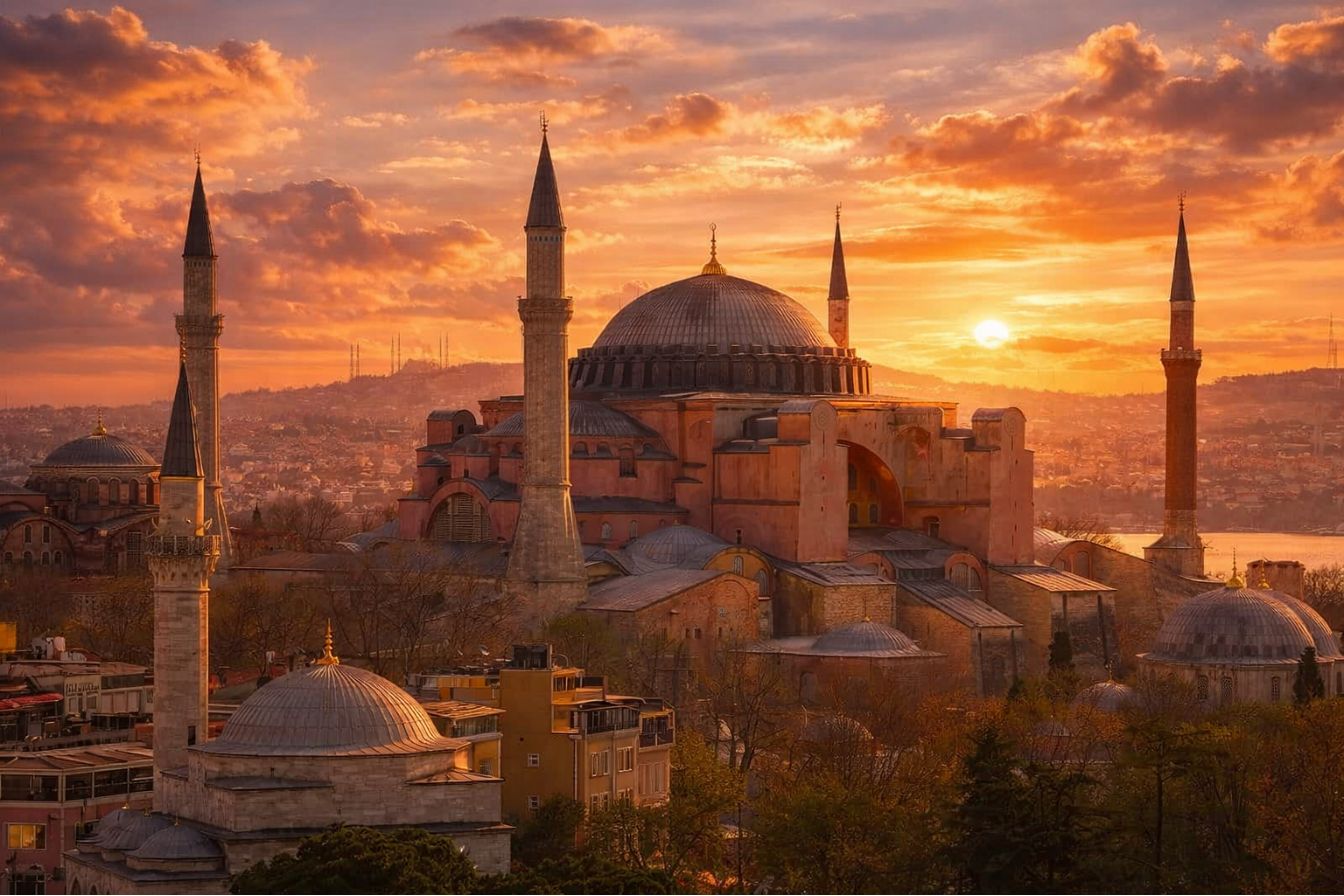 The absolute worst combination is a Saturday or Sunday in July or August, arriving between 10:30 and 14:00 without a pre-purchased ticket. In this scenario, the ticket queue alone runs 60 to 90 minutes in direct sun, the security queue adds another 20 to 40 minutes, and the gallery inside is so densely packed that moving freely between stops is essentially impossible. The second worst is any day, any season, arriving on a Friday between 12:00 and 14:30, which produces a complete tourist shutdown.
Cruise ship days deserve a specific mention. Istanbul’s cruise season runs roughly April through October, peaking in summer. When a large ship docks and disgorges 2,000 to 4,000 passengers, a meaningful share head directly to Hagia Sophia. These surges arrive mid-morning and can create sudden crowd spikes that weren’t present when you checked the queue 30 minutes earlier. If you’re visiting during cruise season and staying in Istanbul for several days, it’s worth checking the port schedule. A day with no ships docked is measurably different from one with two large vessels.
Turkish national holidays also create underappreciated crowd spikes. Republic Day (October 29), National Sovereignty Day (April 23), and Victory Day (August 30) all increase domestic tourism to Hagia Sophia. These days are not disasters but they are busier than surrounding weekdays. European school holiday periods, Easter, and Christmas breaks create corresponding peaks in international tourism.
Prebooking removes the ticket purchase step; leave room for the security queue on a busy day. Arrange The Ticket Before Arrival →
How Does The Time Of Your Visit Affect The Light Inside The Building?
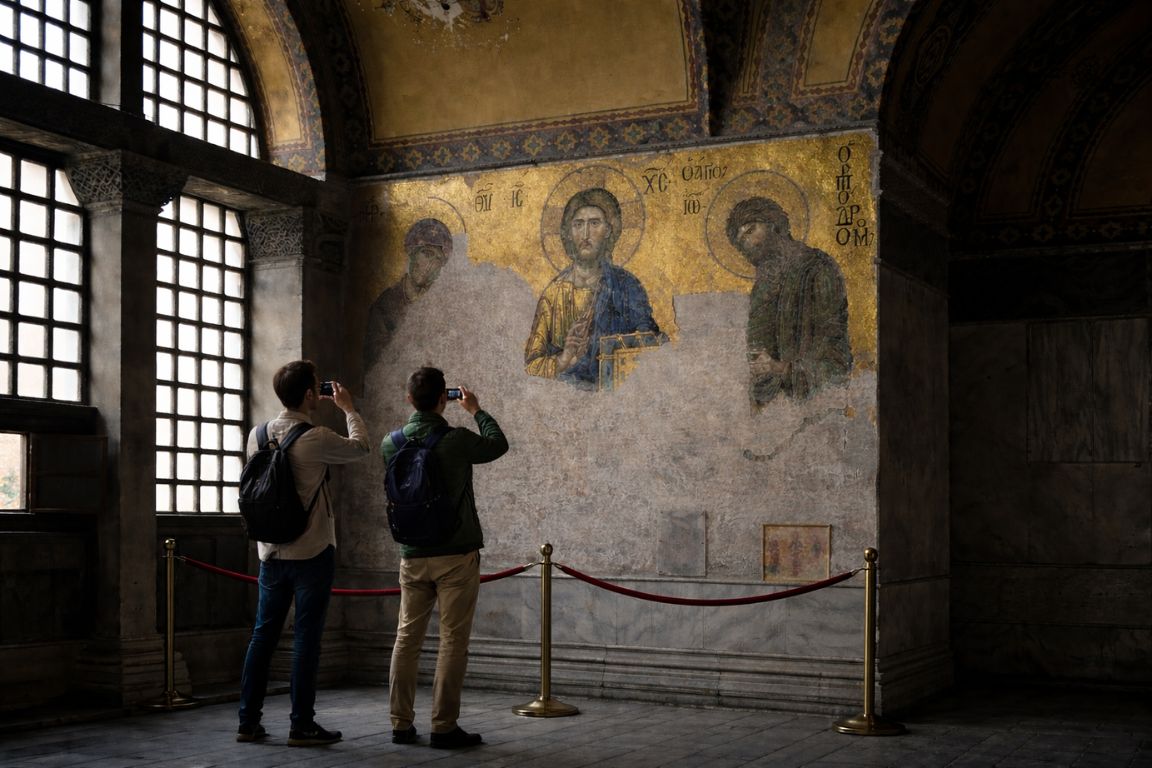 Hagia Sophia’s architects designed the building’s 40 dome windows and semi-dome openings specifically to manipulate natural light as a spiritual effect. Morning sun from the east enters through the dome’s base windows and creates the famous “floating dome” impression, where the light ring makes the structure appear weightless. This effect is strongest between 09:00 and 11:00. By noon the sun is overhead and the ring of windows produces no dramatic shafts. Late afternoon brings warm amber light from western windows. Winter reduces all of this because the sun’s low angle rarely aligns with the windows effectively.
The Byzantine architects were working with something closer to what we’d now call theatrical lighting design. They understood that the dome’s 40 windows, combined with the semi-domes on the east and west sides, created a building that would be illuminated differently from dawn to dusk and differently in every season. The light was intentional. It was not incidental architecture. A 6th-century courtier wrote that standing inside felt like the dome was “generated within” its own radiance rather than lit from outside.
What you see when you arrive at 09:00 on a clear June morning is a ring of 40 light beams entering the gallery at an angle that makes the dome’s masonry seem to dematerialize. The tesserae in the mosaic pick up those beams and scatter gold light across the gallery floor. By 13:00 the sun is directly overhead and none of that happens. The building is still extraordinary at 13:00, but it’s a different building, a heavier one, where the stone asserts itself rather than disappearing into light.
Late afternoon produces a separate quality. Western light enters through the side windows and catches the marble in the gallery floor and the amber tones of the stone columns. The Deesis mosaic lit by afternoon light has a different warmth than the same mosaic at morning. Neither is wrong. Both are worth knowing about before you choose your timing.
Winter morning light deserves a separate note. On a clear winter day when the sun is low and bright, the light that enters the dome is more directional and raking than in summer. It catches the texture of the stone and the relief of the column capitals in ways that summer’s higher angle doesn’t. Some photographers prefer winter light specifically for this reason. The practical problem is that clear days in December and January are less frequent than overcast ones.
A fast-entry guided visit is the practical way to aim for the building’s light, not just opening time. Compare reserved-entry options on our best Hagia Sophia tours list before you pick a time slot.
No ticket promises sunbeams or an unobstructed dome. Choose your photo priorities and keep time to wait within the permitted route. Pick Your Gallery Details →
What Is The Best Time To Visit If You Are On A Tight Schedule?
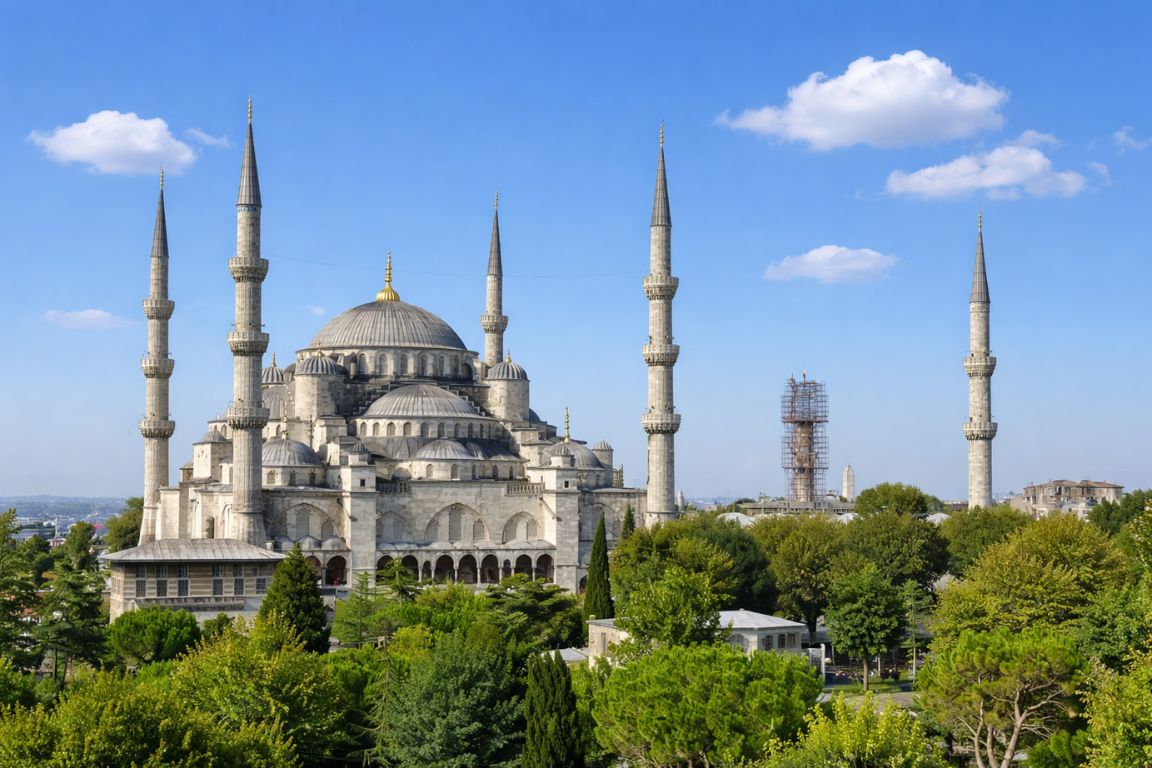 If you have one day in Istanbul and Hagia Sophia is a priority, the optimal sequence is: arrive at the building at opening (08:00-09:00 depending on season) with a pre-purchased skip-the-line ticket, spend 60 to 90 minutes inside before tour groups arrive, then walk directly to the Blue Mosque (free, 250 meters away) before 10:30. Never plan a tight schedule around a Friday midday visit. If your available window is Friday, start before 11:30 or plan to arrive after 14:30.
Cruise passengers face a specific version of this challenge. Ships typically dock from 07:00 onward, and passengers disembark between 08:00 and 10:00. If you’re on a cruise with a stop in Istanbul and have until early afternoon, go straight to Hagia Sophia at disembarkation. The ship’s organized excursions often leave later, which means independent passengers who move directly from port to Sultanahmet by tram can reach the building before the cruise group arrives. The T1 tram from Kabataş (nearest to most cruise docks) reaches Sultanahmet in about 25 minutes.
If you’re on a one-night or two-night Istanbul trip with a fixed itinerary, book Hagia Sophia on your first morning regardless of what else is on the schedule. It is the site most dependent on timing, and shifting it later in the day or later in the trip for any reason significantly increases the probability of a crowded visit. Topkapi Palace, the Blue Mosque, and the Basilica Cistern all have more timing flexibility. Hagia Sophia rewards the first slot.
We’ve put together a full head-to-head breakdown in our Hagia Sophia tours vs Blue Mosque guide so you know exactly how to split your time, what each site offers, and which one aligns with what you actually came to Istanbul to see.
Tour duration does not include your journey from the port or hotel. Reserve a return buffer before choosing a departure. Match Your Available Time →
Practical Planning Points For Your Visit
| Arrived at or before opening (08:00-09:00) | Consistently rated the gallery experience significantly higher than midday arrivals |
| Arrived Friday between 12:00-14:30 without knowing about closure | Standard briefing point in all our pre-visit communications |
| Visited in shoulder season (Apr-May or Sep-Oct) | Highest satisfaction scores across all groups regardless of guided/self-guided format |
| Visited in winter (Dec-Feb) | Rated solitude and unhurried pace highly; noted darker interior as trade-off |
| Visited July-August without pre-booking | Highest rate of negative comments about queues and crowding – now addressed in all summer trip communications |
Build your plan from your date and time window rather than a claimed visitor average. Set Your Visit Constraints →
Frequently Asked Questions
What is the absolute best time to visit Hagia Sophia?
A Wednesday or Thursday morning in April, May, September, or October, arriving at opening (08:00 in summer, 09:00 in winter) with a pre-purchased skip-the-line ticket. This combination gives you the best light, the smallest crowds, and the most comfortable external temperature for the queue.
Choose a date and format without assuming a specific crowd level. Match Your Season →
Is Hagia Sophia worth visiting in winter?
Yes, for visitors who prioritize solitude over sunlight. December through February offers the quietest visits of the year, often with minimal queues. The interior is darker because the winter sun angle doesn’t catch the dome windows effectively, but the mosaics are unchanged and the gallery can feel nearly private on a quiet weekday morning.
Independent entry gives a winter visit its own pace, without promising solitude. Arrange Winter Gallery Entry →
What time should you arrive for the best dome light effect?
Between 09:00 and 11:00 on a clear day, particularly in spring and summer when the sun rises high enough to send light through the dome’s base windows at an effective angle. The 40 windows at the dome’s base create the famous “floating” light effect only in the morning; by noon the sun is overhead and the effect is lost.
Sunlight and restoration affect photographs; no ticket guarantees the light effect. Choose Gallery Priorities →
Should you avoid visiting in July and August?
Not necessarily avoid, but plan carefully. July and August bring peak crowds, 30°C+ heat, and security queues of 60 to 90 minutes. An 08:00 arrival with a skip-the-line ticket still produces a workable visit. Arriving after 10:00 without pre-booking in peak summer is the scenario to avoid.
Prebooking removes the ticket purchase step, while heat and security still need planning. Arrange Summer Entry →
Why is Tuesday sometimes busier than expected?
Topkapi Palace is closed every Tuesday, and visitors who would otherwise spend the morning there migrate to Hagia Sophia instead. Wednesday and Thursday mornings are more consistently calm than Tuesdays.
Do not schedule the optional Topkapi upgrade on Tuesday. Read Palace Planning →
What should you do if you can only visit on a Friday?
Plan your visit to finish before 11:30, or arrive after 14:30. The building closes to tourists from 12:00 to 14:30 for Friday congregational prayer. Morning Friday visits before noon are often among the calmer windows of the week.
Timing is the difference between a visit you remember and one you’re glad is over.
Our groups arrive when the light is right, before the tour buses, and with the context to understand what they’re seeing. Start with a guided tour with licensed guide and fast entry.
Keep your chosen arrival window alongside the provider’s instructions. Open The Date-Check Area →
Confirm the actual Friday departure with the operator before paying. Review Date Instructions →