Süleymaniye Mosque and Hagia Sophia: How Sinan's Dome Compares
Sinan spent 28 years as chief imperial architect and built his masterwork with a Byzantine church as the reference. The surprise is the measurements: the older dome is the wider one.
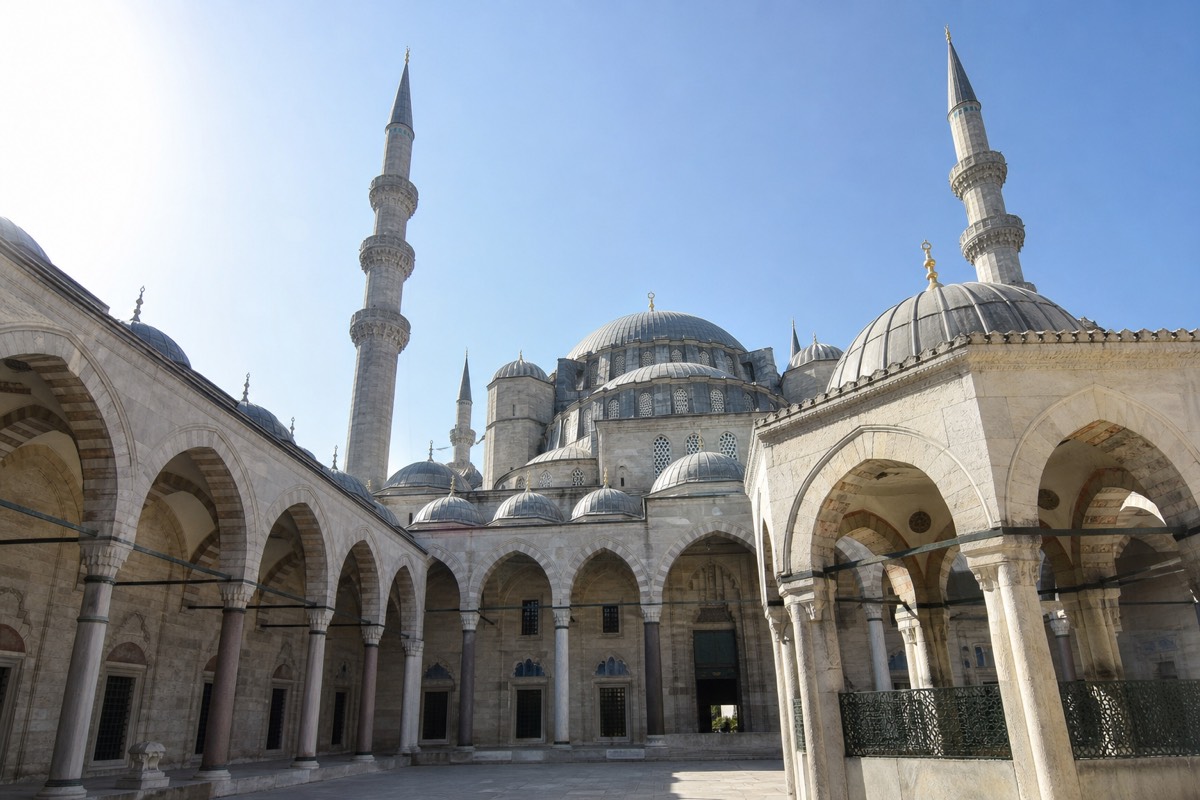
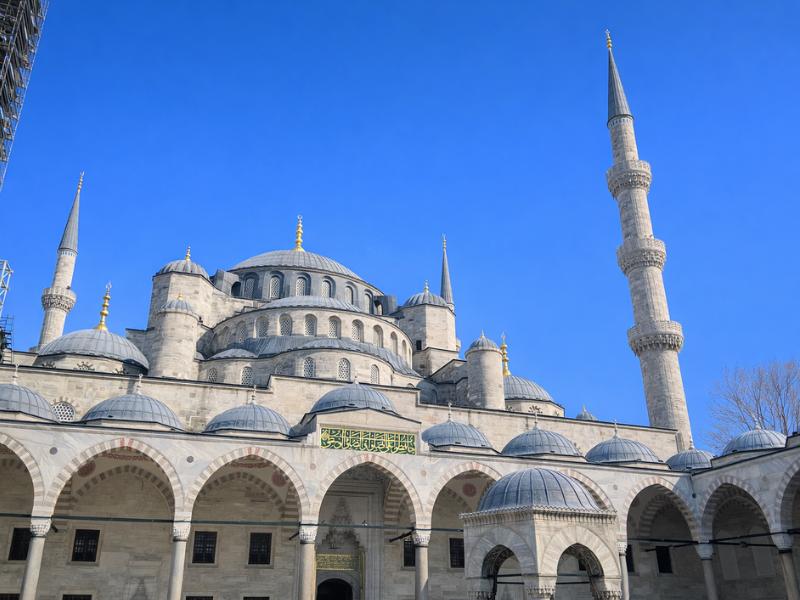
A thousand years separates the two buildings, and the older one still has the bigger dome. Hagia Sophia's spans 31 metres. Süleymaniye's, finished in 1557 by an architect at the peak of Ottoman engineering, measures 27 metres across and rises 53 metres from the floor. Anyone expecting the later building to have overtaken the earlier one has the story backwards.
Keep Süleymaniye as a separate stop unless an operator explicitly confirms it. The bookable options below cover the Hagia Sophia part of your architecture itinerary. Plan The Hagia Sophia Part ↓
Booking Summary: In brief: select the exact ticket option, check child and access requirements, and leave time for security. Blue Mosque admission is free; guidance is optional.
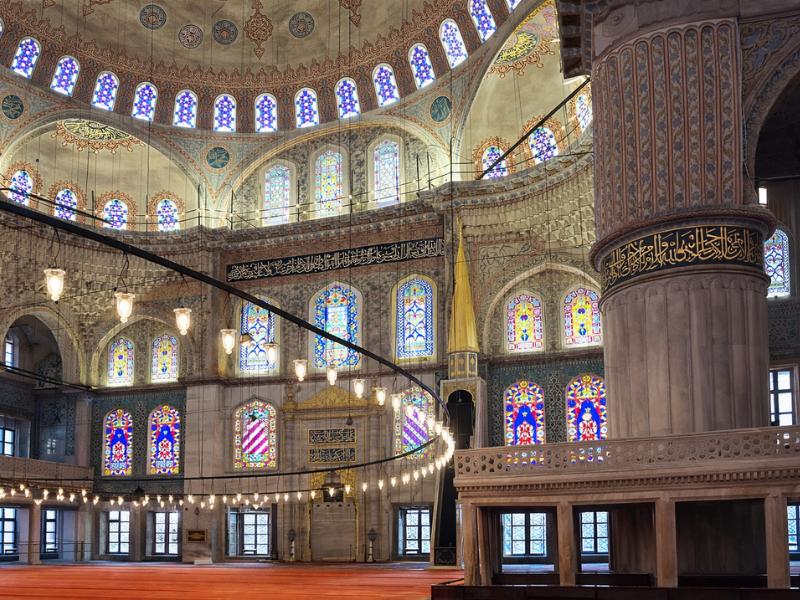
That gap is the whole point of comparing them. Süleymaniye was not built to beat Hagia Sophia on dimensions. It was built by someone who had studied the older structure closely enough to know exactly where it was weak, and who chose to rationalise the design rather than inflate it. What you are looking at when you stand under Süleymaniye's dome is an act of engineering respect, worked out in stone.
Did Mimar Sinan Copy Hagia Sophia When He Built Süleymaniye?
He used it as a structural reference, deliberately and openly, then changed what he thought was wrong with it. Süleymaniye repeats Hagia Sophia's core arrangement of a central dome on pendentives flanked by two semi-domes, but in a more symmetrical, more rationalised form. Copying is the wrong word. Answering is closer.
By 1550, Hagia Sophia had been an Ottoman mosque for almost a century, and Ottoman architects had spent that century working out what made it stand. Süleyman the Magnificent wanted a mosque that would rival its grandeur, and Mimar Sinan took the commission with the older building fully in view, both literally and professionally.
What he borrowed is the geometry that Hagia Sophia had pioneered in the sixth century: a dome carried on pendentives over a square bay, opened east and west by half-domes so the interior reads as one continuous volume. What he did not borrow is the improvisation. Hagia Sophia's plan is famously irregular in places, the result of an ambitious design solved on the fly and then repaired repeatedly. Süleymaniye is disciplined, balanced and legible from any point on the floor.
Seeing the two within a couple of days of each other is the most instructive pairing in Istanbul for anyone with an interest in how buildings stand up. Start with the older one, and the guide to Hagia Sophia's full history gives you the sixth-century context that Sinan was working against.
| Hagia Sophia | Süleymaniye Mosque | |
|---|---|---|
| Built | 532 to 537 | 1550 to 1557 |
| Commissioned by | Justinian I | Süleyman the Magnificent |
| Built as | Orthodox cathedral | Imperial mosque |
| Dome diameter | 31 metres | 27 metres |
| Dome height | Carried on a ring of forty windows | 53 metres from the floor |
| Minarets | 4, added after 1453 by different sultans | 4, original to the design |
| Status today | Working mosque with a ticketed visitor route | Working mosque |
Use the comparison as a DIY architecture route; a Sultanahmet tour does not automatically include Süleymaniye. Read Hagia Sophia’s Historical Context →
Which Dome Is Actually Bigger?
Hagia Sophia's, by four metres of diameter. Its dome spans 31 metres; Süleymaniye's spans 27. The later building is taller in proportion and more coherent structurally, but it does not exceed the sixth-century span. That is the fact that reframes the entire comparison for most visitors.
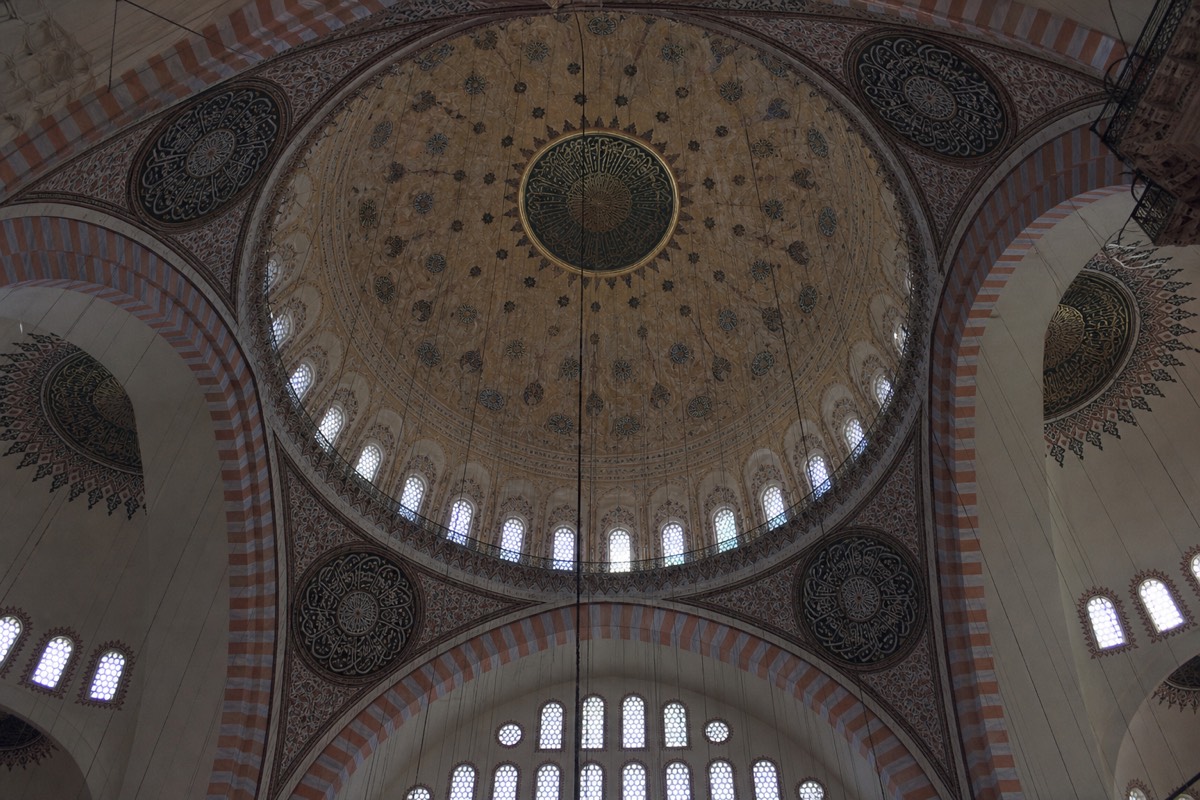
Four metres sounds minor written down and reads as substantial in person, because dome span scales with everything around it: the piers, the buttressing, the sense of open floor beneath. Hagia Sophia feels wider and stranger. Süleymaniye feels taller and calmer. Both effects are the intended ones.
There is a reason nobody in the sixth century had done what Justinian's engineers did, and a reason it was not casually repeated afterward. Setting a dome that wide over an open square, then piercing its base with forty windows so the light undercuts it, is structurally close to reckless. The building's own history proves the point: the original dome partially collapsed twice during the Byzantine period.
Sinan knew all of this. Choosing 27 metres was not a failure of nerve; it was a decision by an engineer who had seen what the extra span cost the older building in repairs and distortion. The trade he made was span for stability and symmetry, and Süleymaniye has stood through centuries of earthquakes in a seismically active city.
| Structure | Dome diameter | Notable dimension | Completed |
|---|---|---|---|
| Hagia Sophia | 31 metres | Base ring pierced by forty windows | 537 |
| Süleymaniye Mosque | 27 metres | 53 metres high from the floor | 1557 |
| Difference | 4 metres in favour of the older building | Roughly 1,020 years apart |
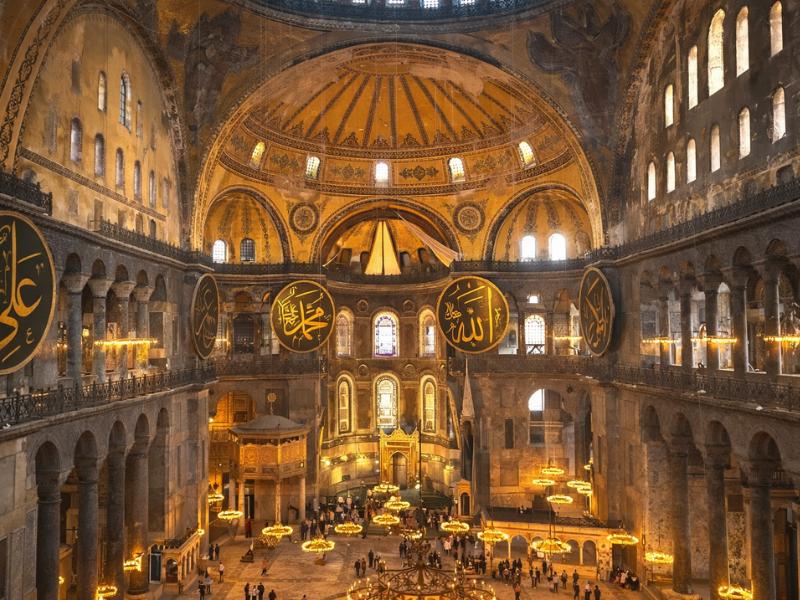
Explore at your own pace
Hagia Sophia gallery entry
Gallery entry · Smartphone audio
How does Hagia Sophia’s dome feel from the gallery?Explore the elevated visitor route and its view over the nave; plan Suleymaniye separately.
Discover the Hagia Sophia Gallery →What Exactly Did Sinan Borrow, And What Did He Change?
He borrowed the central dome on pendentives with two flanking semi-domes, the arrangement Hagia Sophia invented. He changed the symmetry, the buttressing and the load paths, resolving the structural problems the Byzantine engineers had patched rather than solved. The silhouette is a quotation. The engineering underneath is a correction.
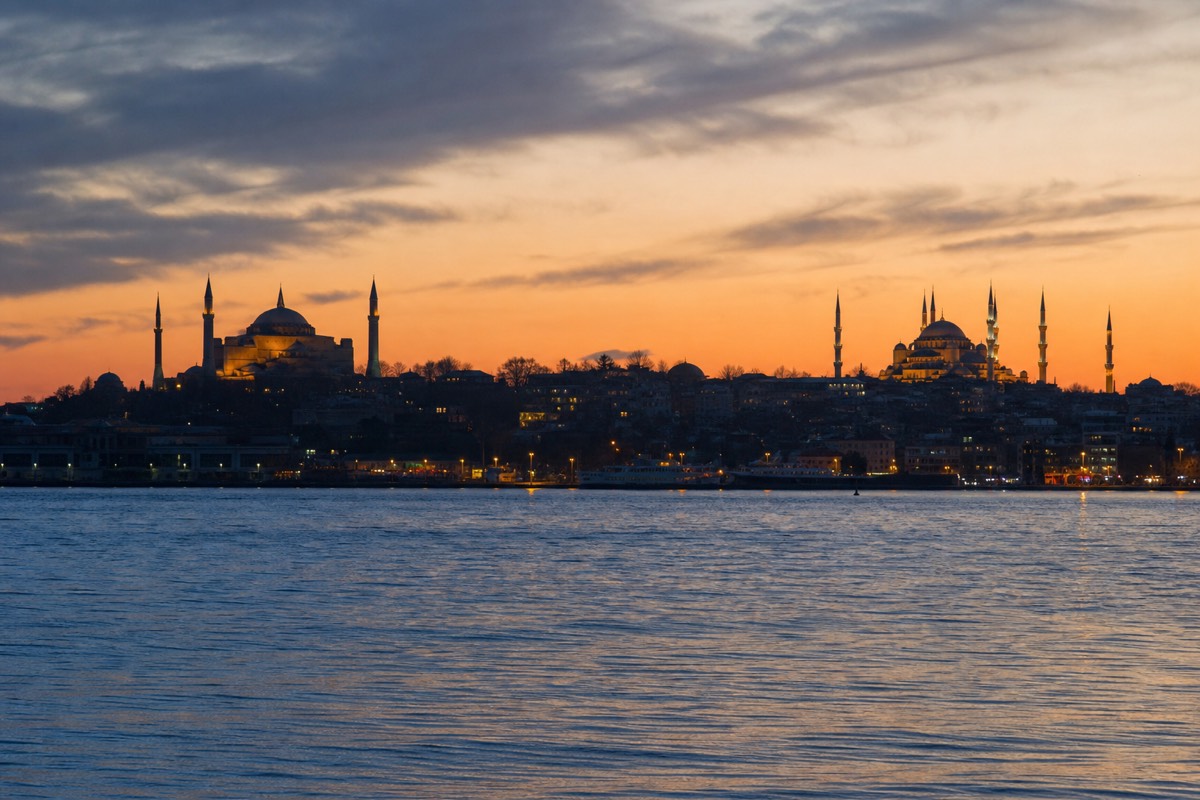
Hagia Sophia was built fast, in five years, on a plan whose consequences were not fully understood in advance. The corrections came later and from the outside: heavy buttresses added over centuries, propping the building where the thrust pushed outward. They work, and they are visible from Sultanahmet Square as thickened masses along the flanks, but they are additions to a structure rather than parts of it.
At Süleymaniye, the support is designed in from the start. Buttressing is integrated into the walls, the load descends through elements meant to carry it, and the plan is symmetrical about both axes so the forces resolve predictably. The result is an interior with fewer visual interruptions, which sounds like an aesthetic gain but is really a structural one showing through.
The other change is light. Hagia Sophia's window ring at the dome base creates that famous floating effect and complicates the structure enormously. Süleymaniye distributes its openings through the walls and semi-domes instead, producing an interior that is evenly bright rather than dramatically undercut. Britannica's entry on the mosque built for Süleyman the Magnificent covers the design programme in more detail.
| Element | Hagia Sophia | What Sinan did |
|---|---|---|
| Central dome on pendentives | Invented the arrangement at scale | Kept it, as the core of the design |
| Two flanking semi-domes | Extends the volume east and west | Kept, in a tighter and more regular form |
| Plan symmetry | Irregular in places, adjusted during building | Symmetrical about both axes |
| Buttressing | Added over centuries, visible from outside | Designed into the structure from the start |
| Window ring at the dome base | Forty openings, dramatic and structurally costly | Light distributed through walls and semi-domes |
| Interior finish | Byzantine mosaic, later Ottoman calligraphy over it | Ottoman from the first day, one coherent scheme |
Compare the load paths and buttressing from the permitted viewpoints, rather than expecting a tour to cover both buildings. Plan Your Interior Observations →
Why Did Hagia Sophia's Dome Fail, And What Did That Teach Sinan?
The original dome partially collapsed twice during the Byzantine centuries, because a 31-metre span pierced at its base pushes outward harder than sixth-century buttressing could hold. Sinan studied those weaknesses directly. His response at Süleymaniye was a slightly smaller, better-supported dome in a symmetrical frame.
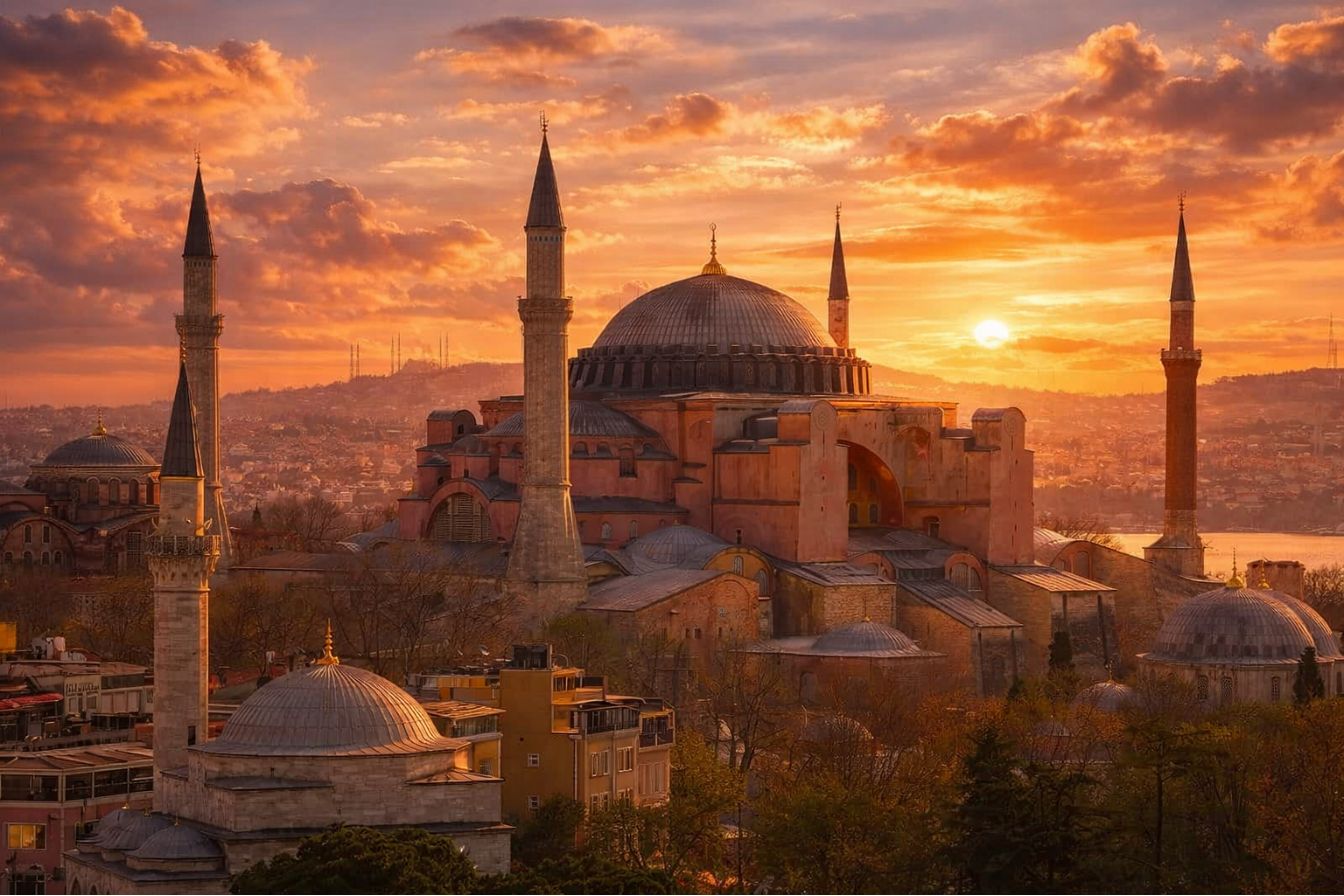
Dome failure of that kind is rarely sudden and total. It is usually a section giving way after earthquakes or settlement have worked on the structure for decades, followed by rebuilding that is not quite identical to what was there before. That process, repeated, is why the profile of Hagia Sophia's dome is not perfectly regular today and why parts of the interior geometry are subtly out of true.
For an Ottoman architect in the 1540s, that record was a technical brief. Sinan had a working building in the same city, with a century of Ottoman maintenance records behind it, showing precisely which parts of the Byzantine solution had held and which had needed propping. Very few architects in history have had that kind of access to the structure they were measuring themselves against.
The verdict is written into Istanbul's skyline. Süleymaniye has stood since 1557 on a hill above the Golden Horn in an earthquake zone, without the running programme of external propping the older building required. It is a quieter achievement than a record span, and it is the one Sinan was actually aiming at.
Keep engineering history separate from access advice; this comparison does not assess current structural safety. Read The Building Timeline →
Why Does Each Building Have Four Minarets?
Süleymaniye's four minarets were part of the design and are read as marking Süleyman as the fourth sultan to rule in Istanbul after the conquest. Hagia Sophia also has four, but they were added after 1453 by different sultans across different reigns, so they differ in detail and none is original to Justinian's building.
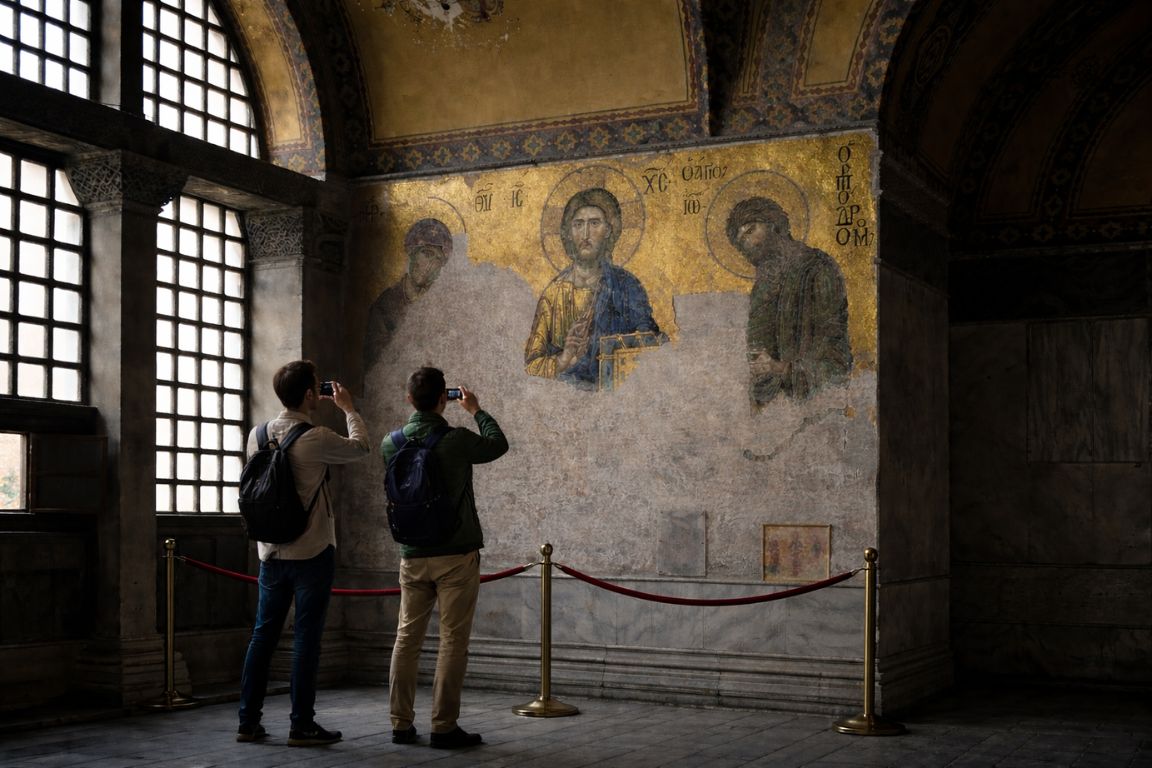
Minaret counts carried meaning in Ottoman practice, which is why the Blue Mosque's six caused a scandal when they went up in 1616: the same number stood at the Grand Mosque in Mecca. Four was the imperial norm, and at Süleymaniye the number was chosen to say something specific about the patron's place in the dynasty's history in this city.
At Hagia Sophia the four are an accumulation rather than a statement. The building was a church for nine centuries and had no minarets at all. They arrived piecemeal after the conversion, which is why a close look shows differences in girth, brickwork and profile between them. They are the most visible sign that the exterior you photograph is Byzantine and Ottoman at once.
This is one of the details that makes the two exteriors worth comparing before you go inside either. It is also the sort of thing that goes unmentioned on a self-guided visit, which is part of the argument made in the comparison of Hagia Sophia versus the Blue Mosque.
| Hagia Sophia | Süleymaniye Mosque | |
|---|---|---|
| Number | 4 | 4 |
| When added | After 1453, over successive reigns | Part of the original 1550s design |
| Added by | Different sultans at different times | One patron, one architect, one programme |
| What they signal | Conversion of a Byzantine church into an imperial mosque | Süleyman's rank as the fourth sultan to rule in the city after the conquest |
| Visual result | Four minarets that do not match each other | A balanced, matched set |
Start with the exteriors and minaret differences, a useful observation before paying for any interior. Plan The Sultanahmet Approach →
Who Was Mimar Sinan, And Where Does Süleymaniye Sit In His Career?
Sinan served roughly 28 years as chief imperial architect to the Ottoman court, running the empire's building programme rather than designing single commissions. Süleymaniye, built between 1550 and 1557 for the reigning sultan in the capital, is the work of that career at full stretch and on the most visible site available.
The role was closer to a state office than a studio practice. The chief imperial architect oversaw mosques, bridges, aqueducts and complexes across the empire, with teams executing designs at a scale no individual could draw. Sinan's output across those decades is why Ottoman architecture has a recognisable structural language at all rather than a series of one-off buildings.
Süleymaniye is where that language is stated most clearly. It is an imperial mosque anchoring a wider complex of buildings on a hill in full view of the Golden Horn, positioned so it reads against the skyline from the water. Site selection was part of the argument: the mosque was meant to be seen in the same glance as the city it crowned.
Sinan is generally reckoned to have refined the type further in later work, which is a useful corrective to treating Süleymaniye as an endpoint. It is better understood as the moment his answer to Hagia Sophia became fully public, at the largest scale the court could commission, in the city where the comparison would be made every day.
Read the wider historical sequence before choosing your two-building route. Explore Hagia Sophia’s Timeline →
How Do The Two Feel Different To Walk Into?
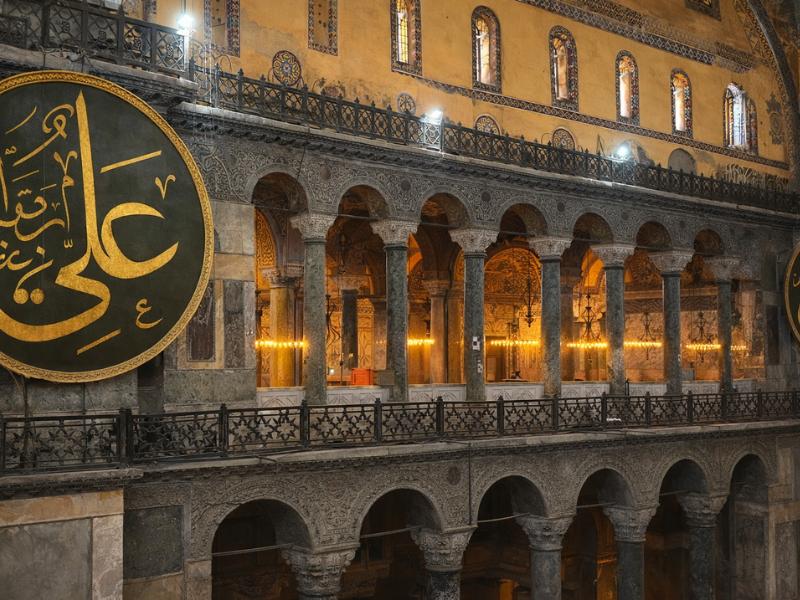
Hagia Sophia reads as layered and contested: Byzantine mosaic beside Ottoman calligraphy, marble from six centuries, a dome that appears to float. Süleymaniye reads as one continuous idea, evenly lit and symmetrical. One is an argument about history, the other is a resolved statement.
The difference is partly access. At Hagia Sophia, tourists follow a route through the upper gallery and look down on the prayer floor, since the ground level is reserved for worship. You experience the space from above, at a distance, through a sequence someone else designed. At a working neighbourhood mosque like Süleymaniye, visitors stand on the floor of the room outside prayer times, which changes the scale entirely.
The second difference is coherence. Hagia Sophia's interior has been rewritten repeatedly, and the pleasure of it is the friction: a Christian mosaic in one sight line and a giant calligraphic medallion in the next, a crusader's grave marker in the floor of an Orthodox cathedral that is now a mosque. Süleymaniye was designed once, by one architect, for one purpose, and finished in seven years.
If you only have time for one interior, take Hagia Sophia, because nothing else in the city carries that much history in one room. If you have time for two, Süleymaniye is what makes the first one legible. What to look for inside the older building is set out in the guide to what to see inside Hagia Sophia.
| Hagia Sophia | Süleymaniye Mosque | |
|---|---|---|
| Where visitors stand | Upper gallery, looking down on the prayer floor | On the floor of the prayer hall outside prayer times |
| Entry for foreign visitors | 25 euros since January 2024 | A working mosque; check current visiting arrangements |
| Crowd level | 17,000 to 20,000 visitors a day in peak season | Far quieter than the Sultanahmet cluster |
| Character | Layered, contested, structurally daring | Unified, symmetrical, evenly lit |
| Time to allow | 60 to 90 minutes, plus security screening | A shorter visit, longer if you walk the grounds |
| Dress | Shoulders and knees covered, headscarf for women | The same modest dress applies at any working mosque |
Explore at your own pace
Hagia Sophia gallery entry
Gallery entry · Smartphone audio
Making room for both mosques in your itinerary?Arrange the Hagia Sophia gallery visit at your own pace. This ticket does not include Suleymaniye.
Check Your Hagia Sophia Date →How Do You Fit Süleymaniye Into A Trip Built Around Hagia Sophia?
Süleymaniye sits outside the immediate Sultanahmet cluster, uphill toward the Golden Horn, so it needs its own slot rather than a gap between two Sultanahmet sites. The practical pairing is Hagia Sophia at opening, the old-city sites through the middle of the day, and Süleymaniye in the late afternoon.
Prayer times govern the visit more than opening hours do. It is an active mosque with a congregation, not a monument with a turnstile, so tourist access pauses around prayer and resumes afterward. Check the current arrangements and the day's prayer schedule before setting out, and avoid Friday midday, which is also when Hagia Sophia closes to tourists from 12:00 to 14:30.
Dress as you would for Hagia Sophia and the question does not arise: shoulders and knees covered, a headscarf for women, shoes off inside. The full set of expectations is laid out in the dress code rules guide, and carrying your own scarf saves the scramble at the door.
If a self-directed route across the old city sounds like work, an old city highlights and hidden gems tour covers the ground beyond the obvious stops across roughly eight hours, listed around $292 with a 5.0 rating on the operator's listing. A shorter and cheaper alternative is a private full-day tour of Istanbul's wonders, listed around $85 across more than 2,700 bookings. Check the live listings for current rates.
| Time | Where | Why then |
|---|---|---|
| 08:00 to 09:30 | Hagia Sophia at opening, summer season | Quietest hour of the day inside the gallery |
| 09:30 to 11:00 | Sultanahmet Square and the Blue Mosque | Both free and a few minutes apart |
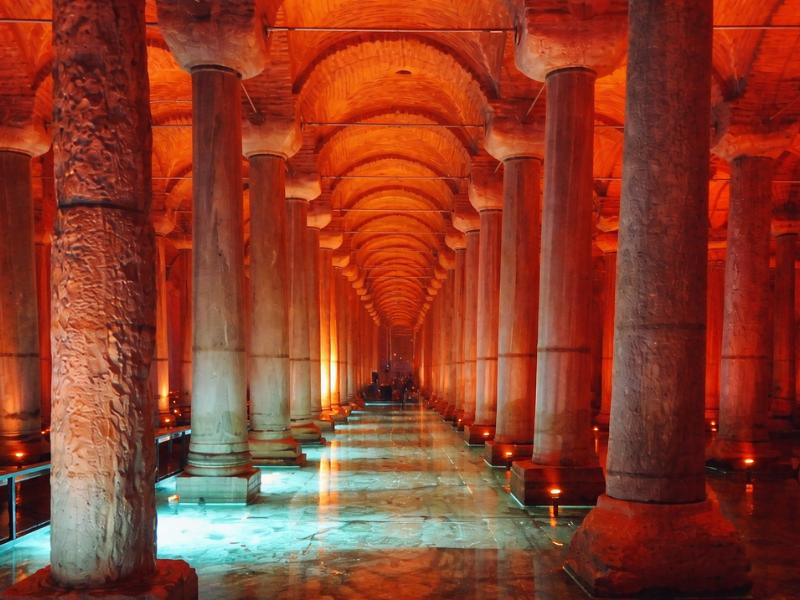
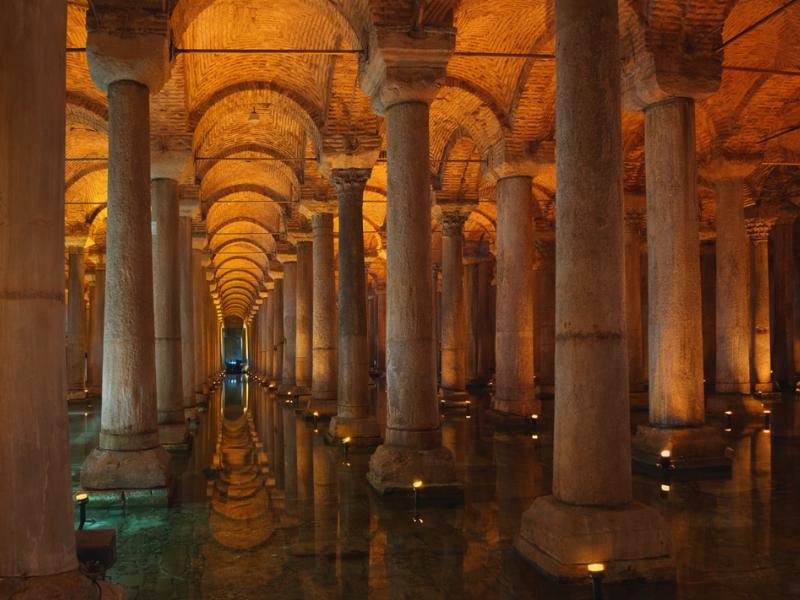
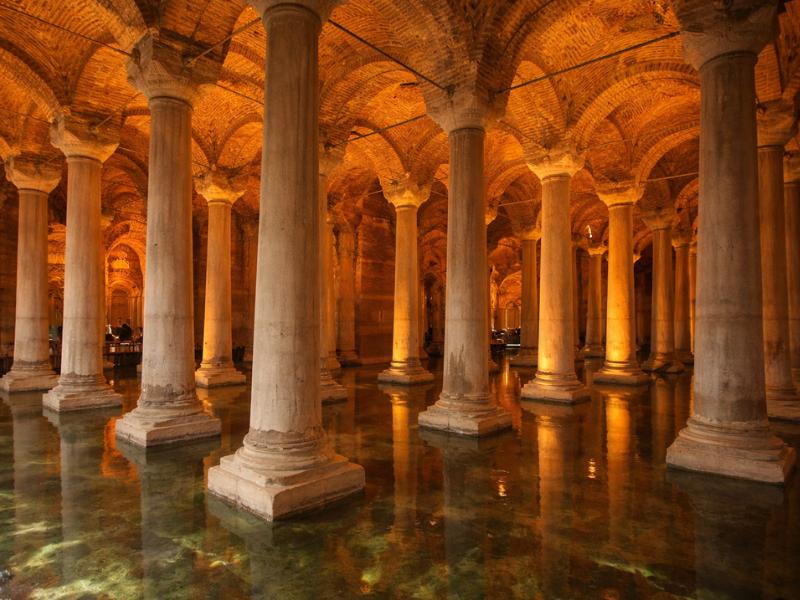
| 11:00 to 13:00 | Basilica Cistern or Topkapi Palace | Indoor options for the hottest hours |
| 13:00 to 15:00 | Lunch and the walk uphill | Süleymaniye is not a five-minute hop from Hagia Sophia |
| 15:00 to 17:00 | Süleymaniye Mosque and its grounds | Late light over the Golden Horn from the terrace |
| Avoid | Friday midday anywhere | Hagia Sophia closed 12:00 to 14:30; congregational prayer citywide |
Reserve a separate travel and visiting window for Süleymaniye, and confirm its current prayer arrangements. Review Your Two-Stop Plan →
Which Tour Format Covers Both Buildings Properly?
A full-day guided format is the only one that reliably reaches both, because Süleymaniye sits off the Sultanahmet loop that short tours run. If your priority is Hagia Sophia itself, a focused entry tour with fast access does more for you than a day that spreads thin across six sites.
Short small-group tours concentrate on the square, and that is a reasonable choice for a first day in the city. They give you Hagia Sophia and the Blue Mosque within a few hundred metres of each other, which is the highest density of famous buildings in Istanbul. Süleymaniye needs either a full-day itinerary or a deliberate half-day of your own.
For the Hagia Sophia end specifically, a licensed guide with fast entry handles the ticket queue and briefs you before you go in, which matters because guides are not permitted to lead commentary inside the visiting area since 2024. It is listed around $47 with a 5.0 rating on the operator's listing. Check the live listing for the current rate.
Travellers with a longer stay and a list of paid sites should price a multi-attraction city pass against individual entries, listed around $201. Read the inclusion list first: passes reward volume, and a trip built around two mosques and a cistern is not volume. Comparing formats side by side on the best Hagia Sophia tours page is a faster way to decide than pricing each option separately.
| You want | Best format | Why |
|---|---|---|
| Both buildings in one day | Full-day private or guided tour | Süleymaniye sits off the short-tour loop |
| Hagia Sophia done properly | Guided entry with fast access | Handles the queue and briefs you before you enter |
| Architecture as the main interest | Self-guided over two days | Time to stand still in both interiors, in the right order |
| Many paid sites over several days | City pass | Only pays off at volume; check the inclusions |
| A first day in Istanbul | Short Sultanahmet small-group tour | Highest density of landmarks per hour walked |
No verified product in this shortlist includes both Hagia Sophia and Süleymaniye. Keep the second stop independent or get written operator confirmation. Choose The Hagia Sophia Portion →
What Does The Comparison Actually Tell You?
That the most admired building in Ottoman architecture was designed by a man measuring himself against a Byzantine church, and that he chose accuracy over scale. Süleymaniye is a better-built version of an idea Hagia Sophia had first. Neither building makes complete sense without the other.
It also tells you something about how the Ottomans treated what they conquered. The obvious move in 1453 would have been to build something that made Hagia Sophia look obsolete. Instead the building was kept, maintained, repaired and studied for a century, and its geometry became the basis of the empire's own architectural language. That is a stranger and more interesting relationship than replacement.
For a visitor, the useful takeaway is about sequence. See Hagia Sophia first, with its irregularities, its buttresses and its floating dome. Then walk into Süleymaniye and notice how everything is squared up and resolved. The second building explains the first in a way no label or audio track manages, because you are reading the argument rather than being told about it.
If you are working out how to arrange the days around all this, the practical logistics for the older building, hours, tickets, entrances and prayer closures, are set out in the practical visiting guide to Hagia Sophia, and the current options for skip-the-line Hagia Sophia tickets sit together on one page.
Seeing the buildings in sequence can make the comparison tangible without buying a combined tour. Plan Hagia Sophia Entry →