Hagia Sophia's Full History: From Byzantine Church to Ottoman Mosque
Orthodox cathedral, Catholic cathedral, Orthodox again, imperial mosque, secular museum, working mosque. Six identities in fifteen centuries, and every one of them left something you can still stand in front of.
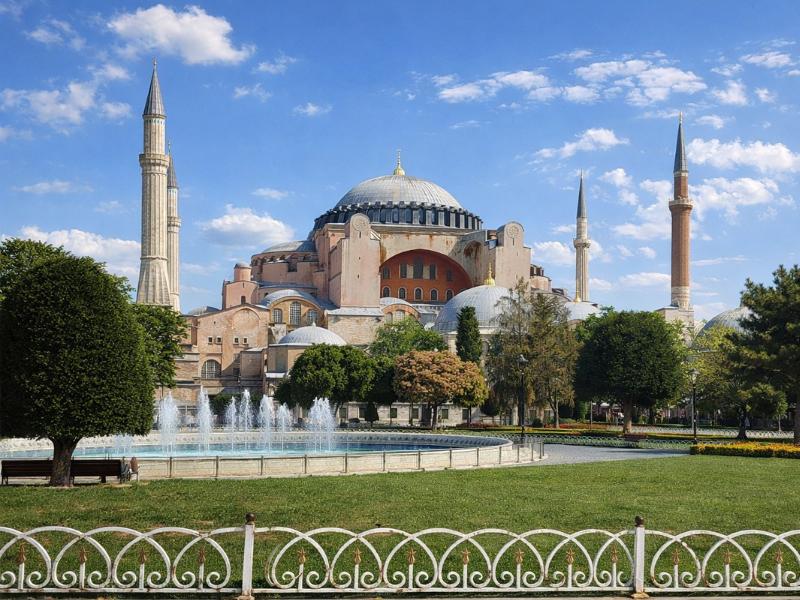
On 27 December 537, the first service was held in a building that had taken five years to raise and that nobody at the time knew how to explain structurally. Justinian's engineers had put a 31-metre dome over an open square, ringed its base with forty windows, and made it look as though the whole thing floated. The mathematics to justify it did not exist yet. It stood anyway.
Use the chronology to decide what you want from the visit. Choose a guided walk to connect the two mosques, or audio entry for time with the gallery details. Turn The History Into A Visit ↓
Booking Summary: In brief: select the exact ticket option, check child and access requirements, and leave time for security. Blue Mosque admission is free; guidance is optional.
Everything that happened afterward, the crusader sack, the conquest, the minarets, the plaster, the museum decree and the 2020 reversal, happened inside that shell. Understanding the sequence is the difference between admiring a large old room and reading a building that has been argued over for fifteen hundred years.
What Is The Short Version Of Hagia Sophia's History?
Built as an Orthodox cathedral under Justinian I between 532 and 537. Held by Catholic crusaders from 1204 to 1261. Orthodox again until 1453, then an Ottoman mosque after the conquest. Secularised in 1934 and opened as a museum in 1935. Reconverted to a working mosque in July 2020.
Six changes of status, and each one is visible somewhere in the building. That is what makes it unusual. Most contested monuments get erased and rebuilt by whoever wins. Here the Ottomans plastered over figural mosaics rather than destroying them, twentieth-century restorers uncovered a good number of them, and the current arrangement screens some during prayer with curtains rather than covering them permanently.
The name is Greek and it is not a person. Hagia Sophia means Holy Wisdom, a title of Christ rather than a saint called Sophia. In Turkish it is Ayasofya, and both forms appear on street signage across the city, which catches out first-time visitors looking for the wrong word on a sign.
For nearly a thousand years after 537 it was the largest cathedral in the world, and it remained the reference point that later architects measured themselves against. That reverence is not an abstraction. The imperial mosque raised a few kilometres away a thousand years later borrowed its central geometry outright, which is the whole subject of the comparison between Süleymaniye Mosque and Hagia Sophia.
| Period | Status | Under whom |
|---|---|---|
| 532 to 537 | Construction of the current building | Justinian I |
| 537 to 1204 | Eastern Orthodox cathedral, seat of the Patriarch of Constantinople | Byzantine emperors |
| 1204 to 1261 | Roman Catholic cathedral | Latin rulers after the Fourth Crusade |
| 1261 to 1453 | Eastern Orthodox cathedral again | Restored Byzantine emperors |
| 1453 to 1934 | Imperial mosque | Ottoman sultans, from Mehmed the Conqueror |
| 1934 to 2020 | Secularised, then a museum from 1935 | The Turkish Republic |
| 2020 onward | Working mosque, with a ticketed visitor route | Current administration |
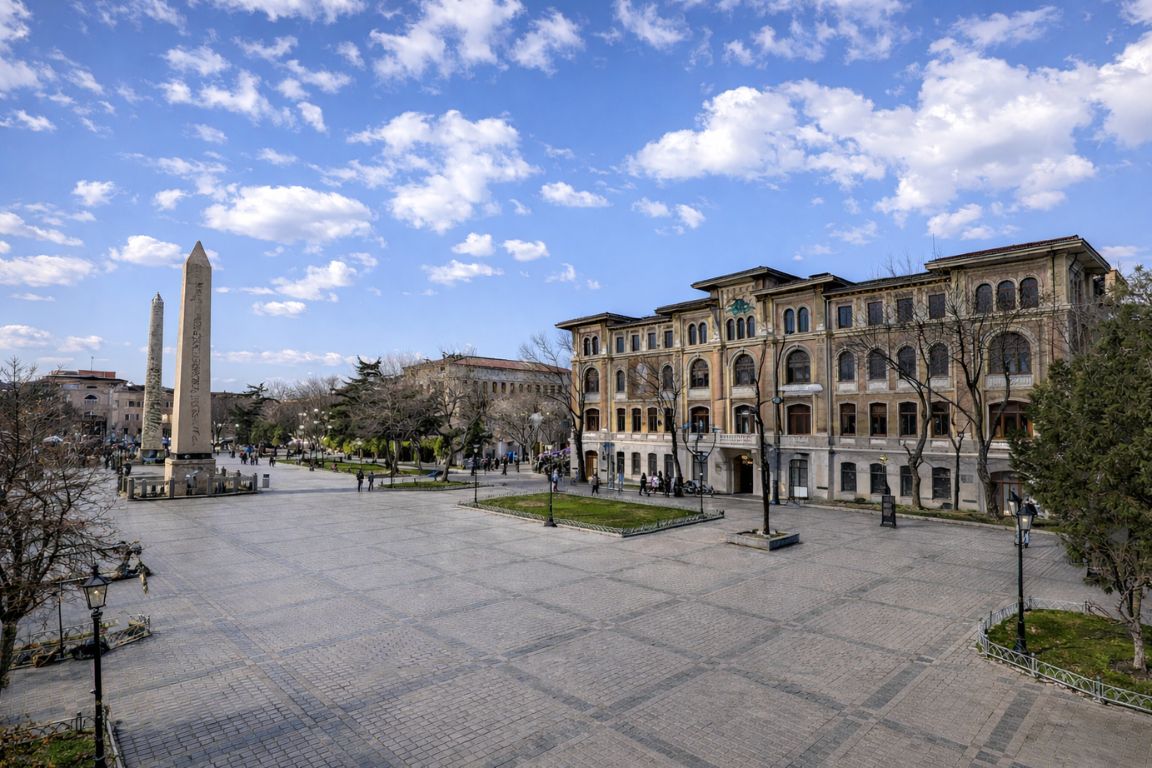
A two-mosque walk connects Hagia Sophia’s changing identity to the Ottoman architecture across the square. Choose The Connected History Walk →
Why Did Justinian Build It, And What Made The Dome So Radical?
Emperor Justinian rebuilt Hagia Sophia after riots destroyed the previous church on the site, and he built it to be unmatched. The dome spans 31 metres and sits on a ring of forty windows, so the light cuts underneath it and the masonry above appears to hover. Nothing that size had been attempted over an open square.
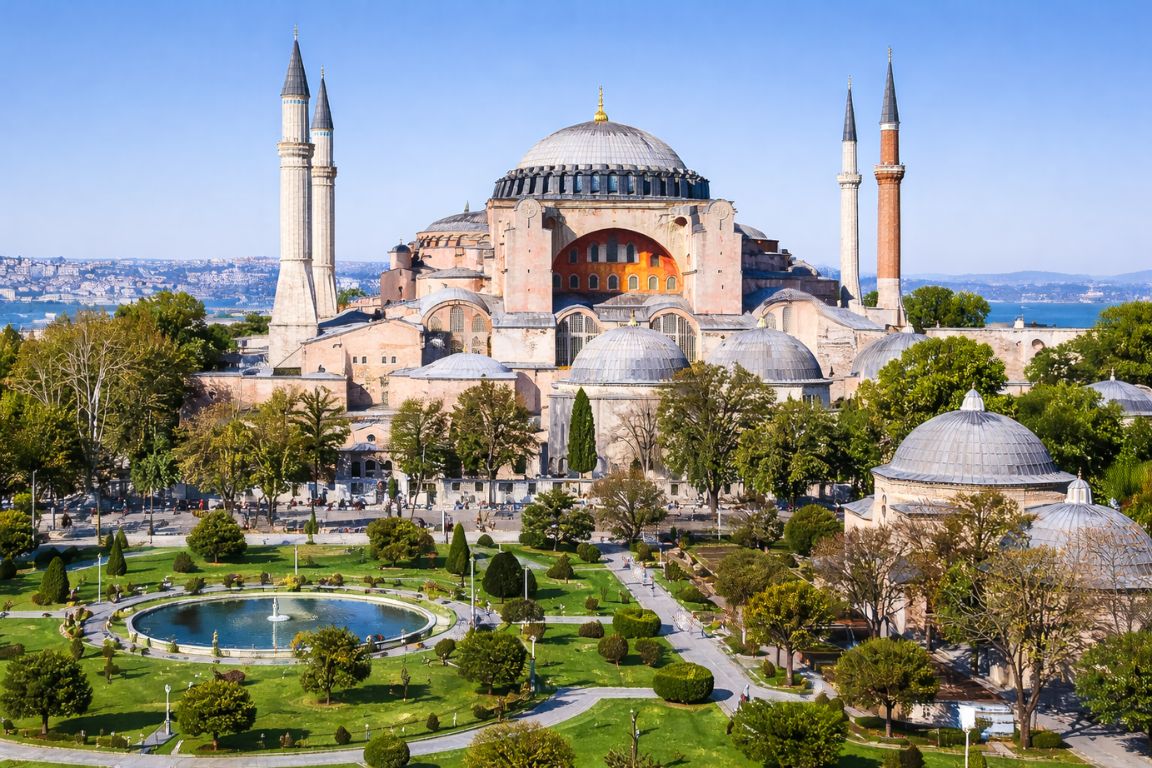
The design solved a problem Roman builders had mostly avoided: how to set a round dome on a square plan without the corners fighting it. The answer was pendentives, curved triangular sections that carry the dome's load down into four piers, with two half-domes extending the space east and west. That arrangement is why the interior reads as one continuous volume rather than a series of rooms, and it is the geometry every later Ottoman architect studied.
The windows are the trick that makes it feel impossible. Piercing the base of a dome is structurally the last thing you would want to do, since that ring carries the outward thrust. Forty openings there means the light arrives in a band exactly where the eye expects solid support, and the dome appears disconnected from the building holding it up. Standing in the gallery, that is the effect people struggle to describe afterward.
It was also, by the standards of its own century, over-reaching. The original dome partially collapsed twice during the Byzantine period, and the repairs left the structure less symmetrical than the drawings suggest. That history of failure is precisely what a later architect would study before designing his own answer to it.
| Detail | Figure |
|---|---|
| Built | 532 to 537, five years |
| First service | 27 December 537 |
| Dome diameter | 31 metres |
| Windows at the dome base | Forty, in a continuous ring |
| Held the title of largest cathedral | For nearly a thousand years |
| Partial dome collapses | Twice during the Byzantine period |
| Visitors today | 17,000 to 20,000 a day in peak season |
Look for the dome supports as well as its span; use the interior guide to plan the details you want to find. Plan Your Architecture Stops →
What Happened In 1204, When The Fourth Crusade Took Constantinople?
A crusader army that had set out for Egypt sacked Constantinople instead. From 1204 to 1261 Hagia Sophia was a Roman Catholic cathedral under Latin rule, its treasury stripped and its relics dispersed across Europe. The Byzantines retook the city in 1261 and restored Orthodox worship, but the building never recovered its wealth.
The 1204 sack is the hinge event that most visitors have never heard of, and it explains more about the interior than the 1453 conquest does. Three days of looting removed the accumulated donations of seven centuries. Silver, gold, icons and relics went west, much of it to Venice, and the Byzantine state that limped back into the city in 1261 could not replace any of it.
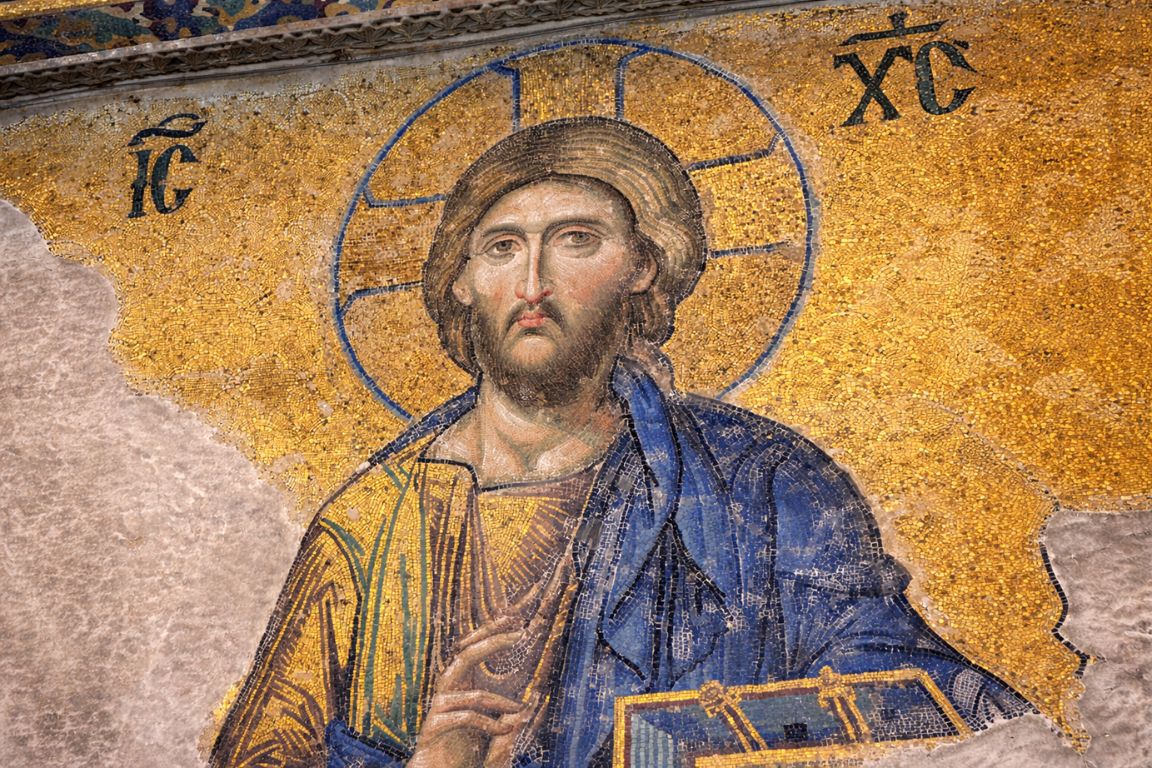
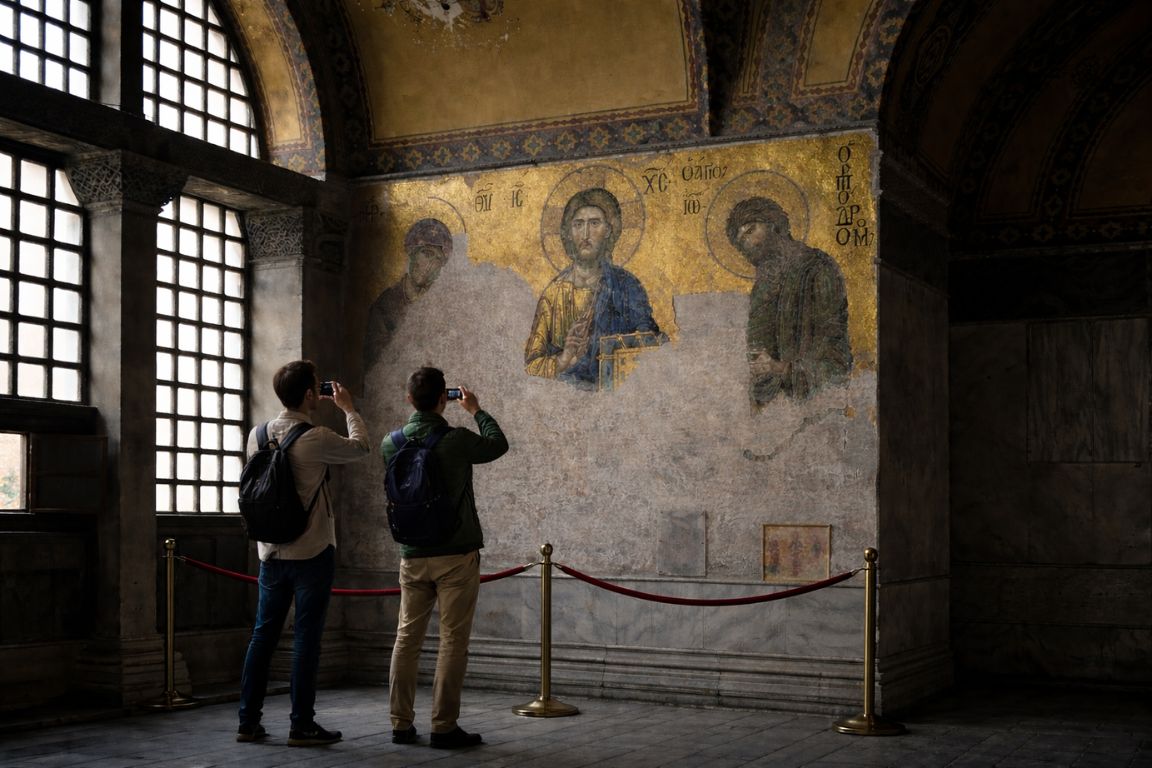
What the Latin period did leave behind is the Deesis mosaic, dated to around 1261 and set in the upper gallery. Christ appears between the Virgin Mary and John the Baptist, both turned toward him in intercession. The lower portion has deteriorated badly, but the surviving faces are extraordinary, and scholars read the modelling of them as a forerunner of Renaissance naturalism. It is the single best reason to slow down in the gallery.
The layered detail is easy to miss without context, which is one honest argument for booking a guided visit rather than walking through alone. The comparison between the two approaches is set out in the guide on guided vs self-guided visits.
Independent audio entry gives you time to read the surviving mosaics against the article’s crusader-period context. Choose Time In The Gallery →
Who Was Enrico Dandolo, And Where Is His Marker Inside?
Enrico Dandolo was the Doge of Venice who led the Fourth Crusade against Constantinople in 1204. He died in the city in 1205 and was buried inside Hagia Sophia. A marble floor slab in the south gallery, inscribed with his name, marks the spot, a short walk from the Deesis mosaic.
There is no monument, no effigy, nothing that announces itself. Just a rectangle of marble set into the gallery floor with lettering worn by centuries of feet, which is why most visitors walk over it without a glance. Knowing it is there changes the room. The man commemorated in the floor of the Orthodox cathedral is the man whose army stripped it.
What became of the actual remains after 1453 is disputed. Various accounts circulate and none is settled, so the honest description is that the marker is genuine and visible while the burial's later fate is not documented reliably. That ambiguity is fitting for a building where almost every surface carries a contested claim.
Find the Deesis first, then look down and around within a few paces. The slab and the mosaic sit in the same stretch of the south gallery, which makes them a natural pair to visit together. More of the gallery's landmarks are mapped out in the guide to what to see inside Hagia Sophia.
| What | Where | What it shows |
|---|---|---|
| Deesis mosaic, around 1261 | Upper gallery, south side | Christ between the Virgin and John the Baptist |
| Empress Zoe mosaic | Upper gallery | An imperial couple flanking Christ, with an altered head |
| Komnenos family portrait | Upper gallery | An imperial family with the Virgin and Child |
| Apse mosaic of the Virgin and Child | Ground floor, visible from the gallery | The earliest major figural mosaic on view |
| Enrico Dandolo marker | South gallery floor | The Venetian doge who led the 1204 sack |
| Viking runic graffiti | Gallery balustrade | Scratched by a Varangian Guard mercenary, one reading roughly "Halfdan was here" |
Use the Deesis and Dandolo marker as a pair of historical reference points, following the current visitor route. Read The Interior Route →
What Changed In 1453 When It Became A Mosque?
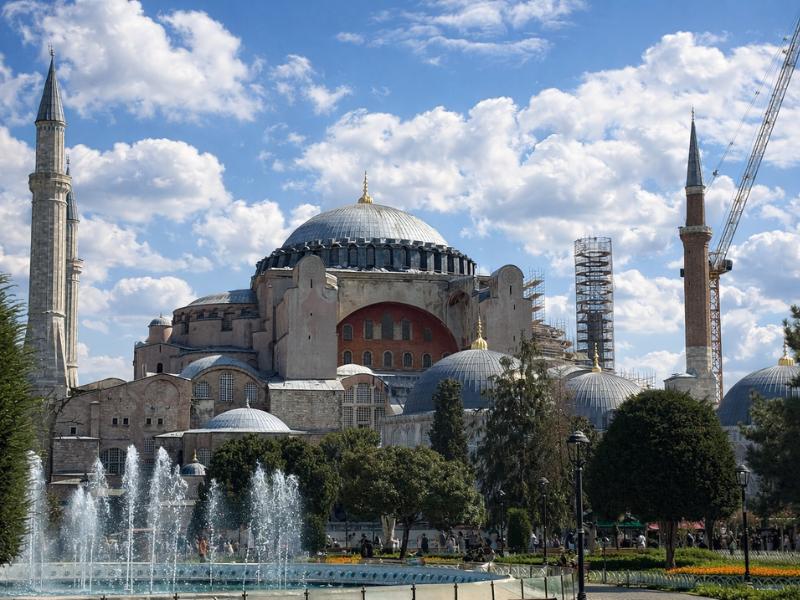
Mehmed the Conqueror took Constantinople in 1453 and converted the cathedral to a mosque immediately. Over the following centuries the Ottomans added a mihrab, a minbar, calligraphic medallions and four minarets, built by different sultans at different times. Figural mosaics were plastered over rather than destroyed, which is why so many survived.
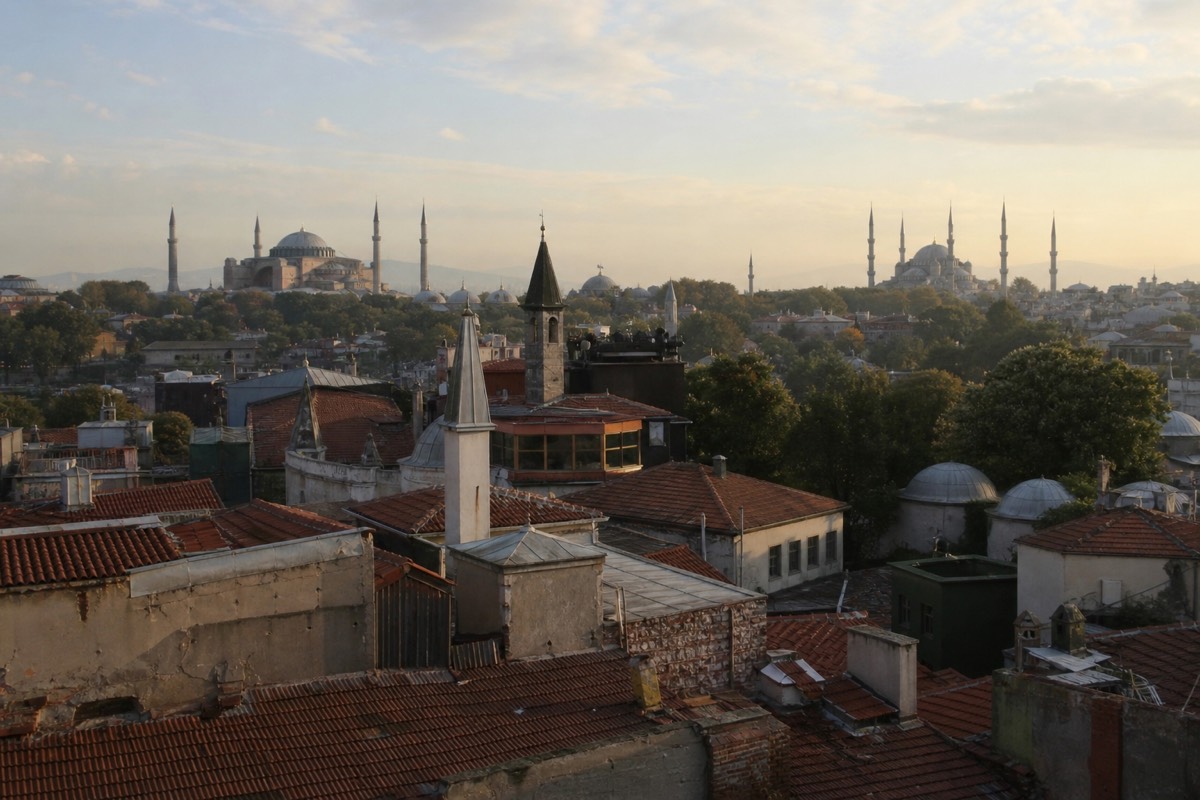
The conversion was fast and the additions were slow. What arrived first was function: a mihrab niche indicating the direction of Mecca, a minbar for the sermon, and the reorientation of a building whose whole axis had been built for a different rite. The four minarets went up piecemeal across reigns, which is why they differ from each other in detail and why none of them is original to Justinian's structure.
The plaster is the part worth dwelling on. Islamic practice avoids figural imagery in a place of prayer, and the straightforward option would have been removal. Instead the mosaics were covered. Some were lost to earthquakes, damp and later repairs, but a substantial number survived under the plaster for four and a half centuries and were uncovered by twentieth-century restorers. The building's Christian art exists today because of a decision taken by its Muslim custodians.
Ottoman patronage did not stop at conversion. Sultans were buried in mausoleums beside the building, the calligraphic medallions inside are among the largest in the Islamic world, and within a decade of the conquest Mehmed began the palace next door. The story of that palace is covered in the guide to visiting Topkapi Palace.
Connect the two mosques
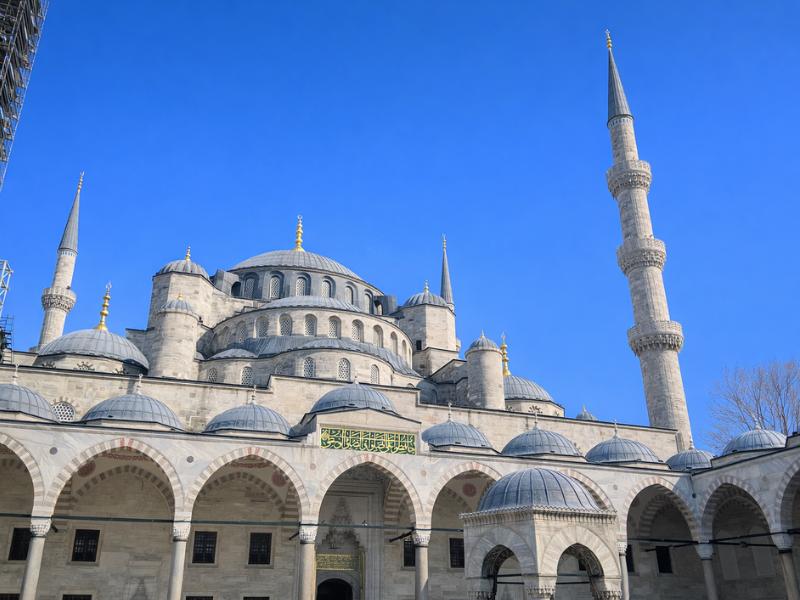
Two mosques & Old Town walk
2.5–3 hours · English guided walk
How did Ottoman Istanbul build on its Byzantine past?Follow the connections across Hagia Sophia, the Blue Mosque and the Hippodrome with a guide.
Explore the Two-Mosque History Walk →Why Did It Become A Museum In 1935, And What Did That Change?
The Turkish Republic secularised the building in 1934 under Atatürk and opened it as a museum in 1935. Prayer stopped, the tourist route opened, and restorers uncovered mosaics that had been under plaster since the conquest. For 85 years it was neither a church nor a mosque but a monument administered by the state.
The decision belonged to a broader programme of separating religion from public institutions in the new republic, and Hagia Sophia was its most visible expression. Turning the single most charged building in the country into a neutral museum was a statement about what kind of state Turkey intended to be.
Practically, the museum era is what produced the interior visitors recognise from photographs. Restoration campaigns uncovered the Deesis and other panels, carpets came up off the floor, and the building was presented as an archaeological object with all of its layers on show at once: Byzantine gold beside Ottoman calligraphy, in the same sight line, with nothing screened.
That period also set expectations that no longer hold. A guidebook written during the museum years describes free wandering across the ground floor, no dress requirements and no prayer closures. Anything you read that assumes museum status is describing a building that stopped existing in 2020.
| Status | Years | What a visitor could do |
|---|---|---|
| Orthodox cathedral | 537 to 1204, 1261 to 1453 | Attend the liturgy of the imperial church |
| Catholic cathedral | 1204 to 1261 | Latin rite under crusader rule |
| Imperial mosque | 1453 to 1934 | Prayer; figural mosaics under plaster |
| Museum | 1935 to 2020 | Free movement across the whole floor, no dress code, no prayer closures |
| Working mosque | 2020 onward | Upper gallery on a ticket, dress code enforced, Friday midday closed to tourists |
Museum-era access is not the current ticket promise. Check the visiting-area description before booking. Read Current Ticket Inclusions →
What Did The 2020 Reconversion Change For Visitors?
In July 2020 the building returned to service as a working mosque. Since January 2024, foreign visitors pay 25 euros for a route through the upper gallery only, the ground floor is reserved for worship, a dress code applies, and the building closes to tourists every Friday from 12:00 to 14:30 for congregational prayer.
The single biggest practical change is where you stand. Tourists no longer walk the nave. The route goes up a ramp on the northeast side and delivers you to the gallery, from which you look down on the prayer floor. More than half of first-time visitors report being surprised by this, usually because they read something written during the museum years.
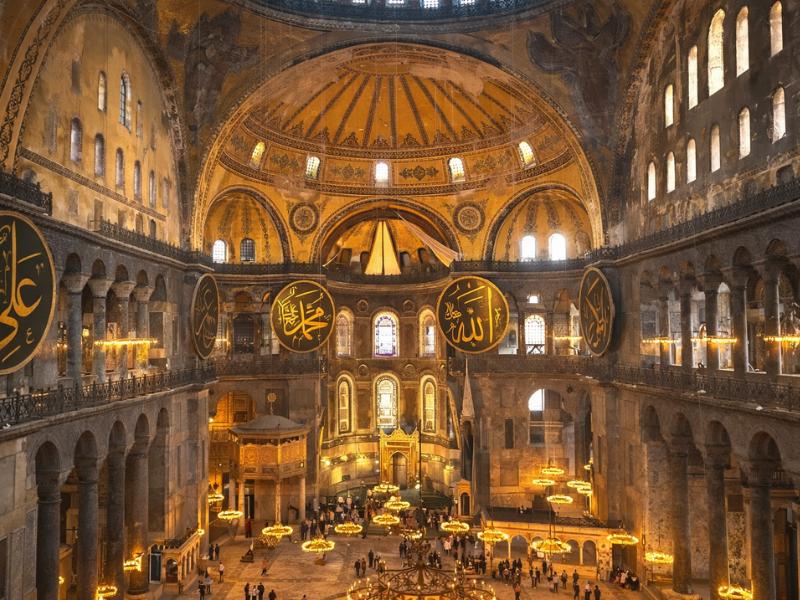
The mosaics have not been destroyed or plastered again. Panels visible from the prayer floor are screened during prayer times using movable curtains, and the gallery route still passes the Deesis, the Empress Zoe panel and the Komnenos portrait. What you can see from the gallery on an ordinary weekday morning is essentially what was on view during the museum decades, viewed from higher up.
The other change is the guiding rule. Since 2024, professional guides are not permitted to lead commentary inside the visiting area, so tours brief outside and accompany you in. An AR audio guide in 23 languages comes with the ticket. If you want the history delivered by a person rather than an app, an exclusive private Hagia Sophia tour with skip-the-ticket-line entry keeps the briefing to your own party, listed around $60 with a 5.0 rating on the operator's listing. Check the live listing for the current rate.
| Rule | Detail |
|---|---|
| Entry fee | 25 euros for foreign visitors since January 2024; under 8s free with ID |
| Where tourists go | Upper gallery only; the ground floor is for worship |
| Friday closure | 12:00 to 14:30, no tourist entry regardless of ticket type |
| Dress | Shoulders and knees covered; women wear a headscarf; shoes off on carpet |
| Museum Pass Istanbul | Not valid, any tier |
| Guides inside | Not permitted to lead commentary since 2024; AR audio guide included |
| Photography | Allowed without flash; not of people at prayer |
This ticket names the upper visitor gallery, with the prayer floor excluded. Choose Current Gallery Entry →
Where Can You See Each Layer Of The History Today?
Byzantium is in the mosaics and the marble; the crusader century is in the Dandolo slab; the Ottoman period is in the medallions, the mihrab and the minarets; the museum decades are in the uncovered panels themselves. The gallery route passes all four in about forty-five minutes of walking.
Read the room in that order and it stops being a jumble. Look up first at the dome and the window ring, which is Justinian. Look across at the calligraphic medallions, which are Ottoman and enormous. Look down at the floor for the Dandolo marker, which is 1205. Then look at the mosaics themselves and remember that you are seeing them only because restorers in the twentieth century took plaster off.
Two smaller things reward the effort of finding them. The Viking runic graffiti scratched into a gallery balustrade by a mercenary of the Varangian Guard, one inscription reading roughly "Halfdan was here", is a reminder that Byzantine emperors employed Scandinavian bodyguards. And the Marble Door, worn smooth on the gallery route, has been walked through by every one of these regimes in turn.
As of early 2026 there is scaffolding near the centre of the nave for ongoing structural work. Visitor reports confirm it does not block the major gallery mosaics, and the dome remains largely readable from the gallery, but it does affect photographs looking across the space.
| Building | Patron | Built | Status today |
|---|---|---|---|
| Hagia Sophia | Justinian I | 532 to 537 | Working mosque, ticketed gallery route |
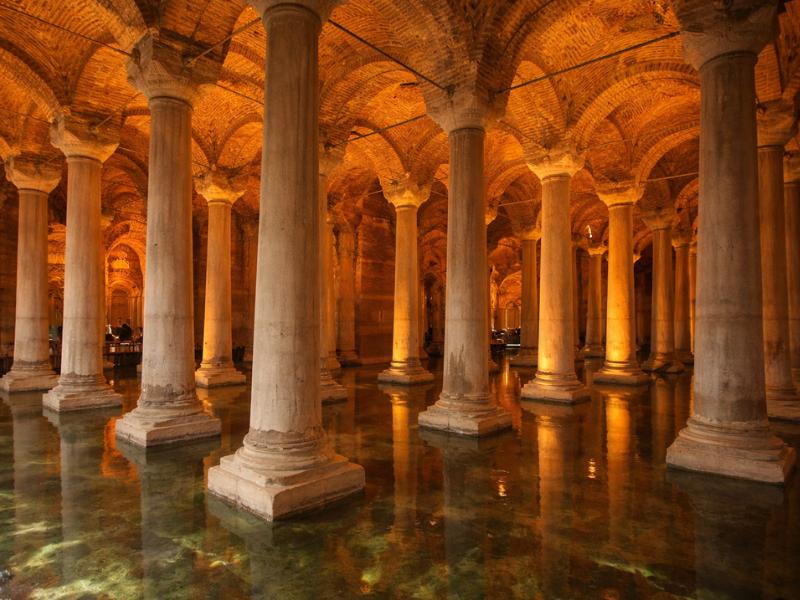
| Basilica Cistern | Justinian I | 530s to 540s | Ticketed monument |
| Topkapi Palace | Mehmed the Conqueror onward | From the 1460s | Museum complex, closed Tuesdays |
| Süleymaniye Mosque | Süleyman the Magnificent | 1550 to 1557 | Working mosque |
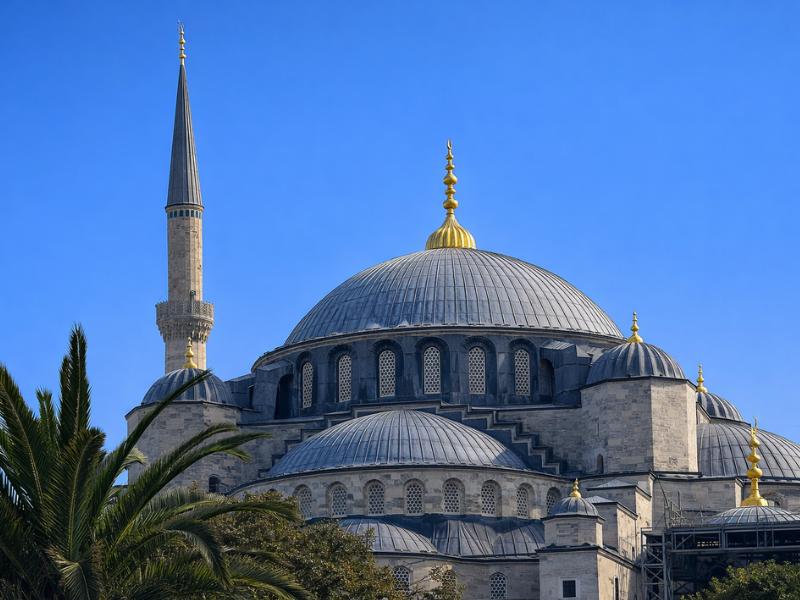
| Blue Mosque | Sultan Ahmed I | 1616 | Working mosque, free entry between prayers |
Make a short checklist from the historical layers so you can slow down at your chosen details. Plan The Gallery Highlights →
How Does The History Affect What You Can Actually Do Inside Now?
Mosque status sets the rules. Shoulders and knees covered for everyone, a headscarf for women, shoes off on the carpeted sections, no photographs of people praying, and a hard closure on Friday from 12:00 to 14:30. None of these were requirements during the museum decades, which is why older advice misleads.
The dress code is enforced more consistently here than at many working mosques in the city, and being turned back at the entrance costs at least twenty minutes. Scarves are sold at the door for about a euro and run out at peak times, so carrying your own is the simple fix. The full set of requirements, including what happens with shoes and bags, is laid out in the dress code rules guide rather than repeated here.
Prayer times shape the day more than the clock does. Friday midday is the absolute stop. The five daily prayers restrict rather than suspend tourist access, with barriers moved and staff directing flow, and the practical effect for someone in the gallery is usually minor. Planning around the Friday window is what actually matters.
One thing that helps is knowing what you are looking at before you arrive, because the building offers very little explanation of itself in situ. A private full-day tour of Istanbul's wonders covers the history across several sites in one day, listed around $80 with a 5.0 rating on the operator's listing. For a version that concentrates on the old city, a full-day private guided tour covers the same ground at a slower pace. Check the live listings for current rates.
Respect the worship setting and verify current access needs before choosing a paid format. Review The Preparation Guide →
How Do You Read Fifteen Centuries In A Single Visit?
Give it 90 minutes rather than 60, decide in advance which three things you want to stand in front of, and take them in chronological order rather than the order the route presents them. Most visitors leave saying they moved too fast, particularly past the Deesis, which needs a few minutes of standing still to register.
The gallery is a U-shaped route that looks compact on a plan and contains more than a museum floor of the same size. Pace is the thing people misjudge. Arriving at opening buys you the quiet needed to actually stop, and in the summer season the doors open at 08:00, which is the best hour of the day in the building by a wide margin.
Choose your three before you go in. A reasonable set for a first visit: the dome and its window ring for Justinian, the Deesis for Byzantium at its artistic peak, and the Dandolo slab for the century that broke the empire. Everything else becomes a bonus rather than a checklist you failed to complete.
| Order | What to find | Which century it belongs to |
|---|---|---|
| 1 | The dome and its ring of forty windows, from the gallery | Sixth, Justinian's engineers |
| 2 | The apse mosaic of the Virgin and Child, seen from above | Byzantine, on the floor below the tourist route |
| 3 | Viking runic graffiti on the balustrade | Around the ninth, a Varangian guardsman |
| 4 | The Deesis mosaic | Around 1261, after the Latin occupation |
| 5 | The Enrico Dandolo floor slab, a few paces away | 1205, the Fourth Crusade's aftermath |
| 6 | The calligraphic medallions and the mihrab below | Ottoman, after 1453 |
If you want the comparison with the building across the square, the head-to-head on Hagia Sophia versus the Blue Mosque sets out how differently the two read: one layered and argued over, the other unified and serene. Formats, group sizes and prices for guided visits sit side by side on Hagia Sophia Tours.
The last thing worth saying is that the building is not finished changing. It has been a cathedral twice, a mosque twice, and a museum once, and each of those turns was contested at the time. What you visit in 2026 is the current settlement, not a permanent one, which is a reasonable argument for going while the terms of access are what they are.
Explore at your own pace
Hagia Sophia gallery entry
Gallery entry · Smartphone audio
Ready to see the layers of history for yourself?Arrange gallery entry with audio and leave time to stop at the mosaics and elevated views.
Check Your Hagia Sophia Date →